
Millions of homeowners overpay on utility bills. These expenses are often seen as fixed costs of modern living, necessary to maintain comfortable temperatures throughout the year. However, the average house often has minor structural compromises, air leaks, and aging systems that waste energy. Inefficient homes force mechanical equipment to work harder, leading to increased wear and premature system failures.
True home efficiency goes beyond a piecemeal DIY approach. Treating your home as an interconnected ecosystem offers the best return on investment. The thermal envelope, air distribution, electrical infrastructure, and plumbing all interact. A drafty attic increases cooling demands, while scaled water lines raise water heater power usage. By understanding heat, air, and water movement through a property, you can make targeted improvements. Specialized professionals ensure modifications are tailored to your specific microclimate and structural needs.
Stop Radiant Heat Transfer from Above
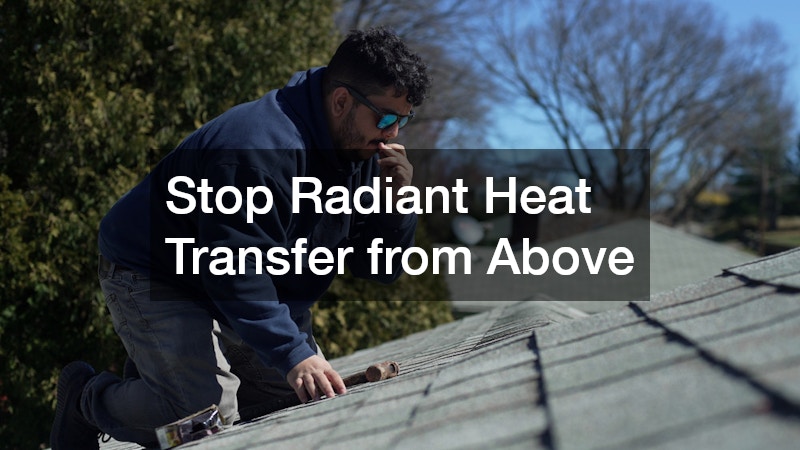
The roof faces the most intense solar radiation of any structural component on your property. During peak summer months, standard asphalt shingles absorb solar heat, driving attic temperatures up to 150 degrees Fahrenheit. This intense thermal mass migrates downward through the ceiling, forcing upper levels to become uncomfortably hot and placing an immense burden on your cooling systems.
- Implement cool roofing technologies: Upgrading to reflective materials significantly reduces thermal absorption. Light-colored metal roofing, specialized concrete tiles, or UV-reflective single-ply membranes bounce solar energy away from the structure rather than storing it.
- Maximize ridge and soffit ventilation: Proper ventilation relies on natural convection to pull cool air into the attic space through the soffits and exhaust superheated air out through the ridge vents. This continuous air exchange prevents heat from baking into the structure.
- Mitigate thermal bridging: Standard wooden rafters conduct heat easily. Installing radiant barriers or continuous rigid foam insulation breaks this thermal bridge, keeping your attic temperature close to the ambient outdoor temperature.
When planning structural upgrades to your roof line, consulting with roofing experts ensures you select materials suited to your regional weather patterns. These specialists evaluate pitch, sun exposure, and structural loads to implement an integrated ventilation and insulation strategy that stops heat transfer before it enters your living spaces.
Seal the Vulnerable Vertical Surfaces
While the roof bears the brunt of vertical sunlight, the exterior walls and windows represent the largest surface area vulnerable to horizontal heat transfer. Uninsulated exterior walls allow outdoor temperatures to penetrate your drywall, while standard double-pane window glass acts as an entry point for invisible infrared light, warming up floors and furniture.
- Enhance exterior wall resistance: Standard fiberglass batts inside walls often sag over time, leaving large uninsulated gaps. Upgrading to dense-packed cellulose, injected foam, or continuous exterior insulation creates a seamless barrier against outdoor air.
- Deploy advanced surface treatments on glass: You do not always need to replace expensive window frames to fix solar heat gain. Micro-thin polyester films embedded with metal oxide layers can be applied directly to existing panes to block up to 80% of incoming solar heat while maintaining absolute clarity.
- Eliminate perimeter air infiltration: High-performance flashings and expanding foam sealants neutralize invisible drafts around window bucks and foundational joints, preventing treated indoor air from escaping.
To achieve a fully sealed exterior, coordinating with siding contractors allows you to add high R-value backing materials directly beneath your new exterior cladding, transforming thin walls into protective thermal blankets. Simultaneously, bringing in a local home window tinting company allows you to shield your large glass surfaces from intense morning and afternoon sun, immediately dropping the ambient interior temperature without adjustments to the thermostat.
Upgrade to Variable-Capacity Heating and Cooling
Traditional climate control units operate on a binary cycle: they are either running at 100% capacity or they are completely turned off. This constant cycling mimics stop-and-go city driving, consuming massive surges of electrical current every time the compressor starts up. This behavior creates uncomfortable temperature swings and subjects your equipment to severe mechanical strain.
- Adopt inverter-driven technology: Variable-capacity systems adjust their output incrementally anywhere from 40% to 100% based on real-time data. They run for longer, quieter cycles at ultra-low power levels, matching the exact heat loss or gain of the home.
- Insist on precise load calculations: Oversized systems satisfy the thermostat too quickly, leading to short-cycling. This prevents the system from properly dehumidifying the air, making a room feel damp and chilly even if the temperature reads correctly.
- Incorporate smart zoning controls: Automated dampers partition your home into distinct thermal zones, directing conditioned air precisely where it is needed rather than wasting energy on empty guest rooms or basement storage areas.
Making the leap to smart climate infrastructure requires a calculated evaluation of your home’s layout. Top-tier air conditioning companies look past simple square-footage charts, running sophisticated thermodynamic software to size your equipment based on window orientations, shading, and regional humidity variables, ensuring peak seasonal performance.
Prevent Ductwork Energy Losses and Ghost Loads
Even the most efficient climate control system fails to deliver value if the distribution network is compromised. Central duct systems run through unconditioned areas like crawlspaces and attics. If the seams and connections are unsealed, you can easily lose up to 30% of your conditioned air to the great outdoors before it ever reaches a register.
- Seal distribution joints with mastic: Standard cloth duct tape dries out, cracks, and fails within a few years. Utilizing fiber-reinforced mastic paste or specialized aerosolized sealing systems closes microscopic cracks permanently.
- Optimize return air dynamics: Closed interior doors create pressure imbalances that trap air in bedrooms and force stale air out through structural cracks. Installing jumper ducts or undercut doors maintains a perfectly balanced return loop.
- Calibrate combustion and heat exchange metrics: Furnaces must maintain precise fuel-to-air ratios to burn cleanly. regular calibration prevents soot buildup, maximizes heat transfer across the heat exchanger, and keeps exhaust gases moving safely outdoors.
Enlisting professional heating services for seasonal diagnostics ensures that your distribution networks remain air-tight and pressure-balanced. These specialists utilize specialized smoke pens and static pressure gauges to isolate hidden blockages and leaks within the walls, maximizing the volume of air delivered for every watt of power consumed.
Transition to Smart Panels and Intelligent Energy Monitoring
Modern homes are filled with electronic devices that continuously draw standby power, often referred to as phantom loads. Even when turned off, appliances, entertainment centers, and chargers sip electricity 24 hours a day. Over a year, these micro-loads add up to a noticeable portion of your total energy expenditure.
- Install intelligent circuit breakers: Smart electrical panels track power metrics down to the individual circuit level. This granular visibility helps you identify malfunctioning, power-hungry appliances before they fail completely.
- Automate power shed schedules: Program your panel to cut power to non-essential circuits—such as media rooms or home offices—during peak utility pricing hours or overnight when the household is asleep.
- Upgrade panel capacity for future technologies: Transitioning away from fossil fuels requires robust electrical infrastructure. Upgrading to a 200-amp smart panel provides the safety margin needed for high-draw upgrades like heat pump dryers and induction cooking lines.
Rewiring and managing high-voltage residential systems is a task that demands expert intervention. Working with a certified, licensed electrician ensures your home’s infrastructure handles modern electrical demands safely. They can balance the load across your breaker bus bars, install whole-home surge protection to shield smart appliances, and configure automated energy monitors that sync directly with your phone.
Switch to On-Demand and Thermally Efficient Water Systems
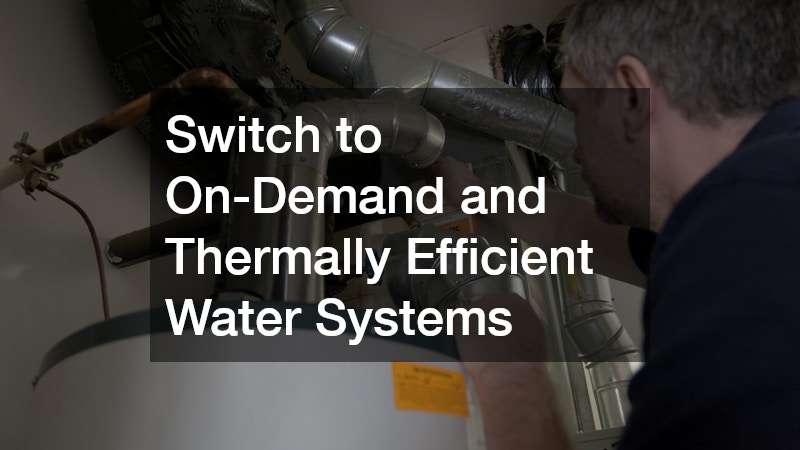
Conventional water heaters store 40 to 50 gallons of water in a large metal tank, heating it continuously to maintain a set temperature regardless of whether anyone is home. This results in standby heat loss, as heat radiates through the tank walls into the surrounding air, forcing the heating elements to fire up repeatedly throughout the day.
- Deploy tankless gas or electric units: On-demand water heaters eliminate the storage tank entirely. When a tap opens, high-powered heating elements warm the water instantly as it flows through the heat exchanger, consuming energy only when water is actively running.
- Insulate hot water distribution lines: Uninsulated pipes allow heat to dissipate quickly as water travels from the source to the fixture. Wrapping copper or PEX lines in closed-cell foam sleeves keeps water hot longer, reducing the time you spend waiting at the tap.
- Calibrate storage tank temperatures: If you use a traditional tank, setting the internal thermostat to 120 degrees Fahrenheit balances safety, prevents bacterial growth, and lowers standby energy consumption compared to higher factory settings.
Upgrading your home’s thermal water network involves careful calculations regarding water pressure, fuel lines, and venting paths. Consulting a master plumber helps you identify the best system configuration for your household. They manage complex water heater replacements, ensuring the new unit matches your peak delivery demands while consuming a fraction of the fuel used by old appliances.
Maintain Low-Friction, High-Velocity Drainage Pipelines
Most homeowners do not connect drainage health with energy efficiency, but the two are closely linked. When main drain lines develop partial blockages, structural scale, or grease buildups, the overall hydro-dynamics of your plumbing system degrade. Sinks drain slowly, and water treatment systems must work harder to displace waste.
- Utilize advanced hydro-jetting cleanouts: Mechanical snakes clear small paths through clogs, but hydro-jetting uses high-pressure water streams to strip away years of accumulated mineral scale and grease from pipe walls, restoring original flow capacities.
- Prevent structural plumbing backpressure: Properly cleared drain lines allow waste to flow smoothly via gravity, preventing negative pressure loops that pull water out of P/traps and allow sewer gases to enter the home.
- Incorporate low-flow aerators at fixtures: Adding simple pressure-compensating aerators to faucets reduces water volume by up to 30% while maintaining excellent rinse pressure, saving both water and the energy needed to heat it.
To keep your water infrastructure running smoothly, partnering with a professional drain cleaning company keeps your waste lines clear of obstructions. These experts use inline sewer cameras to find hidden trouble spots, ensuring your drains move waste out efficiently without placing extra stress on your fixtures or appliances.
Seal the Largest Thermal Bridge in Your Home
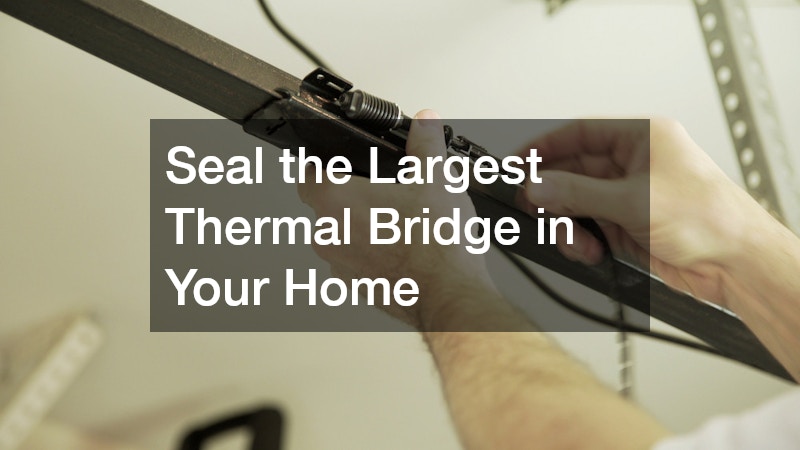
An attached garage is often the weakest link in a home’s thermal defense. Because garages are usually unconditioned spaces, they track outdoor temperatures closely. The large wall separating the garage from your living room or kitchen can become a massive avenue for heat transfer if it isn’t properly sealed and insulated.
- Install high-density polyurethane insulated doors: Thin aluminum or wood panel garage doors offer almost zero thermal resistance. Upgrading to sectioned doors injected with dense polyurethane foam provides an insulating layer that keeps the garage significantly more temperate.
- Renew perimeter weather seals: The flexible vinyl seals along the top and sides of a garage door opening wear down from friction and sun exposure. Replacing these seals prevents outside air from blowing around the door edges.
- Install bottom heavy-duty u-shaped gaskets: Garage floors often settle unevenly over time, creating gaps at the bottom corners. A thick, flexible rubber bulb gasket compresses into these irregularities to block out drafts, moisture, and pests.
Handling large overhead door systems requires specialized tools and carries safety risks due to the high-tension springs involved. Relying on professional garage door companies ensures your new insulated door is hung level and seals tightly against the jambs. These specialists balance the spring tension precisely, which helps prevent drafts and protects your automated opener from burning out early.
Transforming your home into an energy-efficient space is a step-by-step process that pays off in lower operating costs, better indoor air quality, and improved comfort. Viewing your home as an interconnected system lets you prioritize upgrades for maximum impact. Focus on one main system each season. Start by reinforcing the thermal envelope before summer, tune up climate control systems for winter, or update electrical and water infrastructures during renovations. This approach keeps the process manageable and ensures proper attention to each project. Remember, the quality of installation is as important as material quality. Partner with specialized professionals to ensure upgrades are sized correctly, installed safely, and optimized. Expert help protects your home, ensures reliable system performance, and lowers utility costs.