Key Takeaways
- Swapping outdated faucets, showerheads, and toilets for water-efficient models is one of the fastest ways to cut household water use without major renovations.
- WaterSense and ENERGY STAR labeled products meet independent efficiency standards, making them more reliable than unmarked “eco” alternatives.
- Low-flow toilets deliver the biggest single savings in most homes, while aerated faucets are often the cheapest entry point.
- Saving water also saves energy, since heating and transporting water accounts for a significant share of utility bills.
- Modern low-flow fixtures no longer sacrifice pressure or performance, thanks to pressure-compensating and laminar-flow technology.
- Comparing upfront cost, payback period, and daily usability helps you decide which fixtures to prioritize first.
- Professional installation matters for toilets and shower valves, but most faucet aerators can be swapped in minutes with basic tools.
Most people picture solar panels or heat pumps when they think about greener living. Those are big moves. But the quieter, cheaper changes happening inside your bathroom and kitchen can rival them in impact, especially when you add up the savings year after year.
Water fixtures are the unsung workhorses of a household. A single faucet gets turned on dozens of times a day. A showerhead runs for several minutes every morning. A toilet flushes thousands of times a year. Multiply those small moments by every person in the house, and suddenly the hardware behind the walls starts to matter a lot.
The good news is that swapping fixtures is one of the least disruptive green changes you can make. No permits. No contractors tearing up floors. Just a wrench, a weekend, and a decision about which approach fits your budget and comfort level best.
Comparing the Three Fixture Categories That Matter Most
Not all fixtures carry equal weight. If you want real results, it helps to know which replacements move the needle and which are more about polish than performance. Here is how the three biggest categories stack up.
- Toilets: The largest indoor water user in most homes, accounting for roughly 30 percent of indoor use. High-efficiency models deliver the deepest savings.
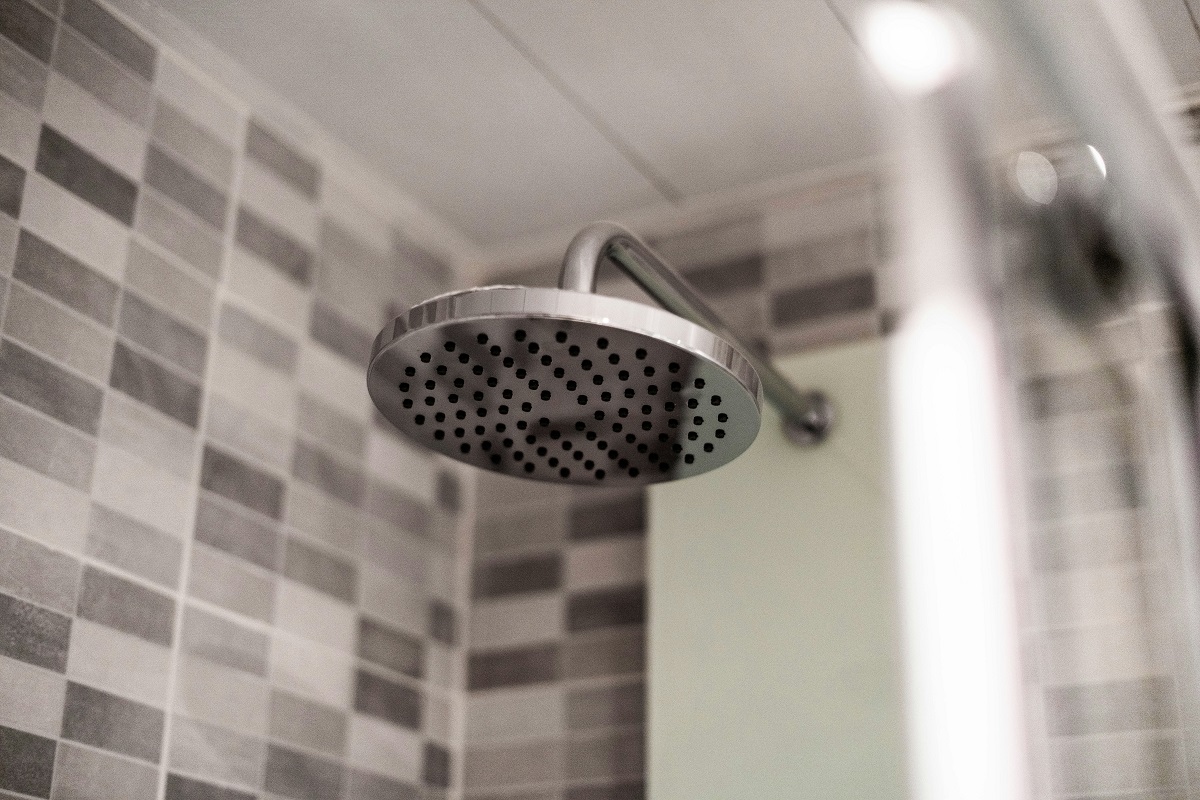
- Showerheads: Second biggest impact. A low-flow version can slash gallons per minute without feeling weak.
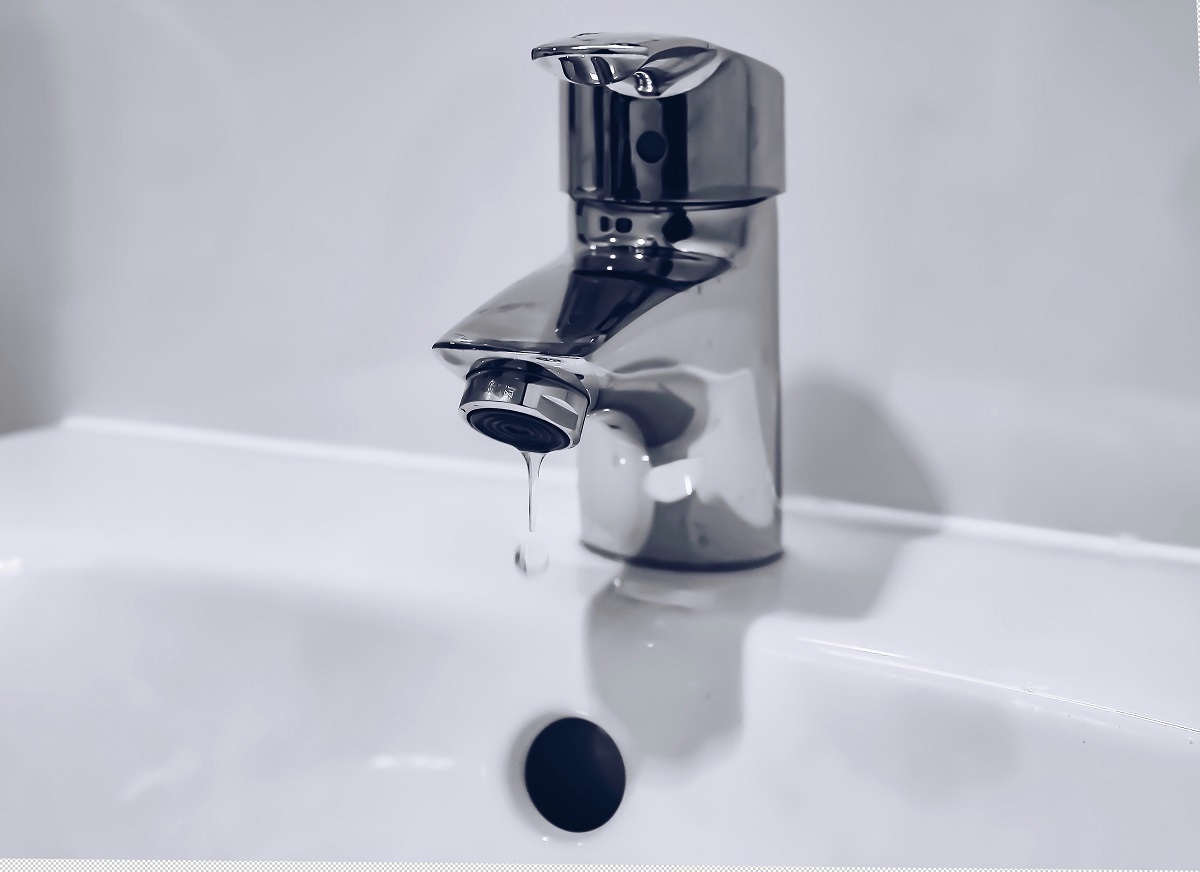
- Bathroom faucets: Smaller per-use volume, but frequency is enormous. Aerators are the cheapest upgrade of all.
- Kitchen faucets: Often overlooked. Pull-down sprayers with lower flow rates can rival bathroom gains.
- Outdoor spigots: Technically fixtures too, and pairing them with timers or drip systems amplifies savings outside.
According to the U.S. Department of Energy’s ENERGY STAR program, a household of four can save roughly 16,000 gallons of water a year by replacing older toilets with high-efficiency replacements. That single swap alone can rival the water footprint of smaller behavioral changes combined.
How to Read the Labels Before You Buy
Marketing language on fixtures can be slippery. “Eco-friendly” and “green” mean nothing on their own. What you want is a WaterSense label from the EPA or an ENERGY STAR certification, both of which require third-party testing. A WaterSense faucet, for example, must use no more than 1.5 gallons per minute while still meeting performance thresholds. If a product lacks either label, treat its claims with skepticism.
Weighing Cost Against Long-Term Payoff
Price tags vary wildly in this category. A basic faucet aerator costs under five dollars. A premium dual-flush toilet can run several hundred, and if you add professional installation, luxury finishes, or smart features, the total can push past a thousand. So the real question is not what something costs today but what it returns over five or ten years, and whether the returns show up in your utility bills, your comfort, or your home’s resale value.
Aerators are the clearest no-brainer. They pay for themselves in weeks, often before your next quarterly water bill even arrives. Low-flow showerheads usually recoup their cost within a year, sometimes faster if you have a large family, teenagers who linger, or an electric water heater that makes every gallon more expensive to produce. Toilets take longer to break even on the hardware alone, but factor in reduced sewer fees, lower water bills, and the occasional municipal rebate, and the math still favors replacement, particularly if your current toilet predates 1994 and still uses 3.5 gallons or more per flush. In some cities, water utilities will even cut you a rebate check of fifty to one hundred dollars per qualifying toilet, which can shave a year or two off the payback window.
- Faucet aerator: Payback in 1 to 3 months
- Low-flow showerhead: Payback in 6 to 12 months
- High-efficiency toilet: Payback in 3 to 7 years
- Smart leak detector add-ons: Variable, but often under 2 years if they catch one leak
- Greywater-ready fixtures: Longer payback, higher ceiling
- Dual-flush conversion kits for existing toilets: Payback in under a year for most households
- Pressure-regulating valves paired with low-flow fixtures: 2 to 4 years, with added benefit of extending appliance lifespan
It also helps to think beyond the raw dollars. A fixture that saves ten thousand gallons a year is doing work for the local watershed, reducing strain on municipal treatment plants, and lowering the carbon footprint of heating water you never actually used. Those benefits do not show up on a spreadsheet, but they are a real part of why so many homeowners consider fixture swaps among the highest-leverage sustainable home upgrades available at this price point.
If you are weighing broader comfort and sustainability improvements alongside fixtures, it helps to think about which rooms get used most and which systems age out soonest. Starting with the highest-traffic bathroom tends to deliver the fastest felt change, and it gives you a tangible reference point for how to make your home more sustainable one room at a time rather than attempting a costly all-at-once overhaul. Once you see the first water bill after that initial swap, the case for continuing into the kitchen, laundry room, and secondary bathrooms tends to make itself.
Does Low-Flow Mean Low Pressure?
This is the oldest complaint about water-efficient fixtures, and twenty years ago it had merit. Early low-flow showerheads really did feel like standing under a leaky umbrella. The industry heard the feedback and redesigned around it.
Modern fixtures use a few clever tricks to maintain the feel of strong flow while using less water. Pressure-compensating valves regulate output regardless of your home’s incoming pressure. Air-injection technology mixes air with water droplets, making each drop feel bigger. Laminar flow streams produce a clear, non-splashing column that reads as powerful even at low volumes.
The HGTV guide to shower upgrades notes that the average American household can cut about 2,900 gallons annually just by installing one low-flow showerhead, and reviewers consistently say they cannot tell the difference in daily use. The perception gap between old and new technology is one of the biggest reasons people hesitate, and it is almost entirely outdated.
Testing a Fixture Before You Commit
If you are nervous about pressure, most hardware stores allow returns on unopened fixtures, and many showerheads come with trial periods. Install one in a secondary bathroom first. Live with it for a week. If it passes the family test, roll it out to the primary bath. This low-stakes approach beats committing to a full overhaul based on specs alone.
Water Savings Versus Energy Savings: Why Both Matter

People often treat water and energy conservation as separate projects. They are not. Every gallon of hot water you avoid using also avoids the natural gas or electricity it took to heat that water. Shorter showers and efficient faucets reduce your utility bill on two lines at once.
Penn State Extension points out that household water and energy use are tightly connected systems, because the energy required to pump, treat, and heat water is built into every tap. This is the piece that makes fixture upgrades punch above their weight. You are not just conserving a resource. You are shrinking the energy demand attached to that resource.
This is also why thinking about how to make your home more sustainable through small infrastructure changes tends to deliver compounding returns. One fixture swap affects two utility bills. Combine that with insulation on your hot water pipes, and the hot water you do use stays hot longer, reducing wasted flow while waiting for temperature to climb.
- Hot water heating accounts for roughly 18 percent of home energy use
- Shorter shower times and lower flow rates reduce that load directly
- Insulated pipes cut the warm-up waste that sends gallons down the drain
- Tank versus tankless heater choice interacts with your flow rates
- Smart recirculation pumps can shave additional minutes of waste
DIY or Call a Pro? Comparing the Installation Routes
Some fixtures are legitimately easy weekend projects. Others involve shut-off valves, wax rings, and the kind of tight spaces where enthusiasm goes to die. Knowing where your skill set ends saves money and frustration. Faucet aerators sit firmly in the DIY camp. Unscrew the old one, screw in the new, done in under five minutes per sink. Showerheads are nearly as simple, though you may need plumber’s tape to seal the threads. Toilets are where the complexity jumps. You are dealing with a water supply line, a wax ring that has to seat perfectly, and a heavy porcelain object that cracks if you overtighten the bolts.
- Aerators: Fully DIY, no tools beyond your hands in many cases
- Showerheads: DIY with a wrench and plumber’s tape
- Toilet fill valves and flappers: DIY with patience
- Full toilet replacement: Pro recommended unless you have plumbing experience
- Shower valve bodies: Pro required, since they sit behind the wall
A professional install on a toilet typically runs between 150 and 300 dollars depending on your region, and that cost often includes hauling away the old unit. For anyone considering a broader slate of sustainable home upgrades at the same time, bundling fixture work with other plumbing visits can trim per-hour labor costs significantly.
When to Replace Versus Retrofit
Not every outdated fixture needs to be ripped out. Some older toilets accept drop-in dual-flush conversion kits that cost a fraction of a full replacement. Shower arms can host new heads without any wall work. Faucets can often get new aerators even if the base is dated. Retrofitting makes sense when the existing fixture is still structurally sound and only the flow components are behind the times.
Replacement becomes the better call when a toilet is pre-1994, when a faucet has mineral buildup you cannot clear, or when leaks have started appearing at the base or handle. At that point, repair costs climb toward replacement costs anyway, and you lose the efficiency gains that come built into newer designs.
Planning a Phased Rollout Across the Whole House
Trying to replace every fixture in a weekend is a recipe for burnout and buyer’s remorse. A phased approach works better for most households, both financially and logistically. Start with the cheapest, highest-impact swaps and work outward from there.
A sensible sequence looks something like this. Week one, install aerators on every bathroom and kitchen faucet. The parts cost less than a pizza and the whole project takes an afternoon. Week two or three, swap showerheads in the most-used bathrooms. Give the family time to adjust and gather feedback. Once those changes feel normal, tackle the toilet in the busiest bathroom, since that is where the water savings will be most noticeable on your next bill.
- Phase one: Aerators across all sinks
- Phase two: Showerheads in primary bathrooms
- Phase three: Highest-use toilet replacement
- Phase four: Secondary toilets and kitchen faucet upgrade
- Phase five: Outdoor spigots, timers, and optional smart leak detectors
This staged method also lets you learn as you go. Maybe the first showerhead you pick is not quite right, and you want a different spray pattern for the next one. Spreading purchases over months instead of days gives you room to refine your choices based on real experience.
Final Thoughts
Swapping fixtures is one of those rare home projects that rewards you on multiple fronts at once. You use less water, you spend less on utilities, you reduce the energy load tied to heating and moving that water, and you do all of it without upending your routines or your floor plan. The gap between what a modern low-flow fixture delivers and what people assume it delivers is wide enough to surprise almost everyone who tries one.
The key is to treat the project as a sequence of small, reversible decisions rather than a single big commitment. Start with an aerator. See how it feels. Move on to a showerhead. Let the household weigh in. When the time comes for a toilet, you will already have a sense of what brands and features your family prefers, and the bigger investment will feel less like a leap and more like the next logical step.
Over the span of a year or two, a house full of efficient fixtures quietly rewrites your relationship with water. The bills shrink, the footprint shrinks, and the daily experience of washing hands or taking a shower stays exactly as pleasant as it was before, often more so. That is the quiet success of good design: you stop noticing it, and the savings keep showing up anyway.