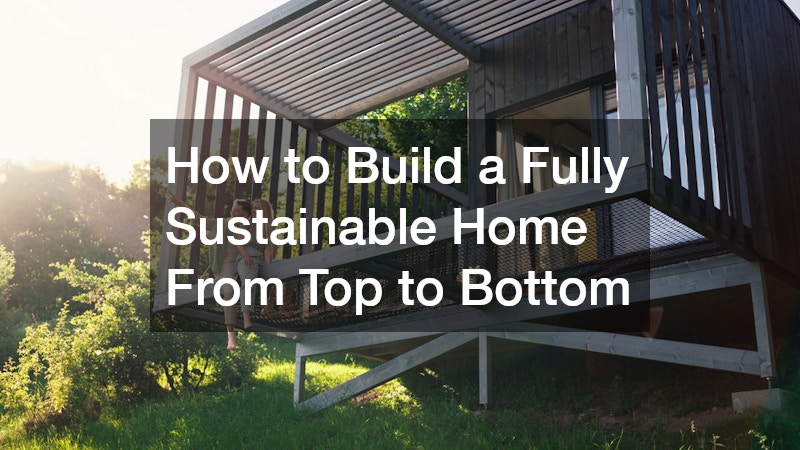
Building a fully sustainable home from top to bottom is about more than adding solar panels or choosing energy-efficient appliances. True sustainability considers every stage of the process, from selecting the right lot to maintaining plumbing systems years after move-in. It means designing a structure that works with the environment rather than against it, reduces waste at every opportunity, and supports healthier living for everyone inside.
A sustainable home also balances environmental responsibility with long-term financial wisdom. Energy savings, lower water bills, durable materials, and reduced maintenance all contribute to a strong return on investment.
Start With Smart Site Selection and Climate-Responsive Design

Thoughtful site selection lays the groundwork for everything that follows. Before construction begins, evaluate sun exposure, prevailing winds, soil conditions, and drainage patterns. Position the home to take advantage of passive solar heating in winter while minimizing overheating in summer. In colder climates, orienting primary living spaces toward the south can reduce heating demands significantly. In hotter regions, strategic shading and cross-ventilation become critical.
An enclosed patio can serve as a buffer zone between indoor and outdoor spaces, reducing heat transfer while extending usable living areas throughout the year. By creating a transitional environment, it improves ventilation in mild seasons and decreases the need for mechanical heating and cooling.
Additionally, minimize site disruption. Preserve mature trees whenever possible, protect natural drainage paths, and choose permeable paving materials to reduce stormwater runoff. Sustainable design begins long before the foundation is poured.
Design features that support passive comfort should be incorporated early:
- Deep roof overhangs to block high summer sun
- Carefully placed windows to capture winter sunlight
- Deciduous trees for seasonal shade
- Thermal mass materials like concrete or stone floors
Build a High-Performance Foundation and Structural Shell
A sustainable home’s efficiency largely depends on its structural shell. Start with a well-insulated foundation using insulated concrete forms (ICFs) or slab insulation to reduce heat loss through the ground. In colder climates, adding rigid foam insulation beneath and around the slab can dramatically decrease thermal bridging, while proper vapor barriers prevent moisture intrusion that leads to mold and long-term structural issues. Advanced framing techniques—such as optimizing stud spacing, aligning framing members for better load transfer, and reducing redundant lumber—cut material waste while improving thermal performance. These strategies also create more cavity space for insulation, allowing the walls to perform at a higher R-value without increasing overall wall thickness. When combined with high-performance sheathing and continuous exterior insulation, the building envelope becomes far more resistant to temperature fluctuations.
The roof plays a central role in temperature control and durability. Working with an experienced residential roofer ensures proper installation of reflective roofing materials, standing seam metal roofs, or even green roof systems that reduce heat gain and extend roof lifespan. Cool roofing materials can reflect a significant portion of solar radiation, lowering attic temperatures and reducing strain on HVAC systems during peak summer months. A high-performance roof assembly should also include adequate ventilation, such as ridge and soffit vents, to prevent moisture buildup and ice dams in colder regions. Air sealing is equally important throughout the entire structure. Conduct blower door testing to identify leaks, then seal gaps around windows, doors, attic hatches, plumbing penetrations, and electrical outlets. Even small air leaks can undermine insulation performance, create drafts, and drive up energy bills over time, making meticulous sealing one of the most cost-effective sustainability upgrades available.
Insulation choices matter:
- Cellulose made from recycled paper
- Mineral wool for fire resistance
- Spray foam for superior air sealing
Install Durable, Energy-Efficient Windows and Exterior Features
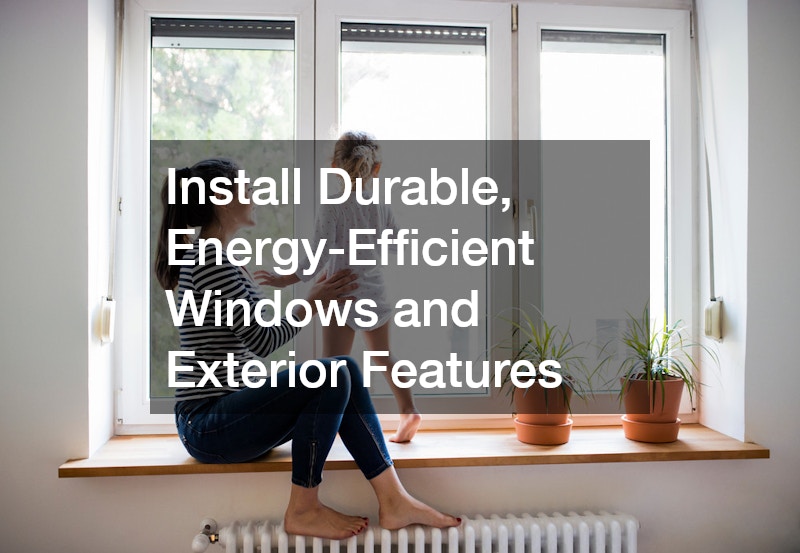
Windows are one of the biggest contributors to energy gain and loss. Choose double- or triple-pane windows with low-emissivity coatings and insulated frames. Proper installation, including flashing and sealing, prevents moisture infiltration that can lead to mold and structural damage.
A screen enclosure can improve airflow while keeping insects out, allowing homeowners to rely less on air conditioning during mild weather. Enhancing natural ventilation, it supports healthier indoor air quality and reduces energy consumption.
When selecting finishes, look beyond aesthetics. Choose materials rated for your specific climate conditions to ensure durability. A sustainable exterior is one that withstands decades of exposure without frequent replacement.
Exterior materials should prioritize longevity and low maintenance:
- Fiber cement siding
- Reclaimed wood
- Recycled metal panels
- Brick or stone with long life cycles
Design a Water-Wise Plumbing System From the Ground Up
Water efficiency starts with smart planning. Installing low-flow faucets, showerheads, and dual-flush toilets can reduce household water consumption by thousands of gallons annually without sacrificing comfort or performance. Choosing WaterSense-labeled fixtures ensures verified efficiency standards, while aerators can further reduce flow rates in kitchens and bathrooms. Plan plumbing layouts to minimize long pipe runs, which waste water while residents wait for it to heat up; placing bathrooms, kitchens, and laundry rooms closer together shortens delivery time and conserves both water and energy. Insulating hot water pipes also helps maintain temperature, reducing the amount of water that must run before reaching the desired warmth.
Collaborating with experienced local plumbers helps ensure efficient pipe routing, leak prevention strategies, and the integration of water-saving technologies. Their expertise can support the installation of demand-controlled recirculation systems, which provide hot water quickly without continuously running pumps. They can also recommend pressure-regulating valves to prevent excess strain on fixtures and smart leak detection systems that automatically shut off water in the event of a burst pipe. By focusing on efficiency at the plumbing stage, you protect both natural resources and your long-term utility costs, while reducing the likelihood of expensive water damage repairs in the future.
Other effective water-saving strategies include:
- Greywater systems for irrigation reuse
- Insulated hot water pipes
- Smart leak detection sensors
- Pressure regulators to prevent pipe stress
Integrate Advanced Water Treatment and Conservation Solutions
Clean water is essential, and reducing reliance on bottled water is a meaningful sustainability step. Installing a whole-home water purification system improves drinking water quality while eliminating plastic waste. These systems can remove sediment, chlorine, heavy metals, and other contaminants.
A properly installed water purification system also reduces wear on appliances by preventing mineral buildup, extending their lifespan, and improving performance. Over time, this lowers replacement costs and conserves manufacturing resources.
Smart water meters allow homeowners to track usage patterns and identify leaks early. Combined with responsible landscaping, these systems create a closed-loop approach to water management.
Water conservation strategies should extend outdoors:
- Rainwater harvesting barrels
- Underground cisterns
- Drip irrigation systems
- Native plant landscaping
Choose Sustainable Materials and Responsible Sourcing Practices
Material selection significantly impacts a home’s carbon footprint because every product carries embodied energy from extraction, manufacturing, and transportation. Look for recycled, reclaimed, or rapidly renewable options such as bamboo flooring, recycled steel, cork, and FSC-certified lumber to reduce demand for virgin resources. Reclaimed wood, for example, not only diverts material from landfills but also adds character and durability to a space. Avoid high-VOC paints, adhesives, and finishes that compromise indoor air quality and contribute to long-term health concerns. Instead, choose low- or zero-VOC alternatives and formaldehyde-free cabinetry to create a healthier living environment. Prioritizing locally sourced materials can also cut transportation emissions while supporting regional economies.
Using equipment rental instead of purchasing machinery that will only be used briefly reduces manufacturing demand and overall resource consumption associated with producing new tools. Shared equipment also decreases storage needs, eliminates long-term maintenance responsibilities, and prevents rarely used items from ending up in landfills. When sourcing materials, ask suppliers about environmental certifications, lifecycle assessments, and transparency in their production processes. Sustainable materials should be durable, responsibly harvested, and produced with minimal environmental harm, ensuring that your home remains efficient and resilient without contributing unnecessarily to ecological degradation.
Construction waste can be minimized through careful planning:
- Order precise material quantities
- Reuse offcuts when possible
- Donate surplus materials
- Separate recyclable debris
Plan for Energy Independence and Renewable Power Integration
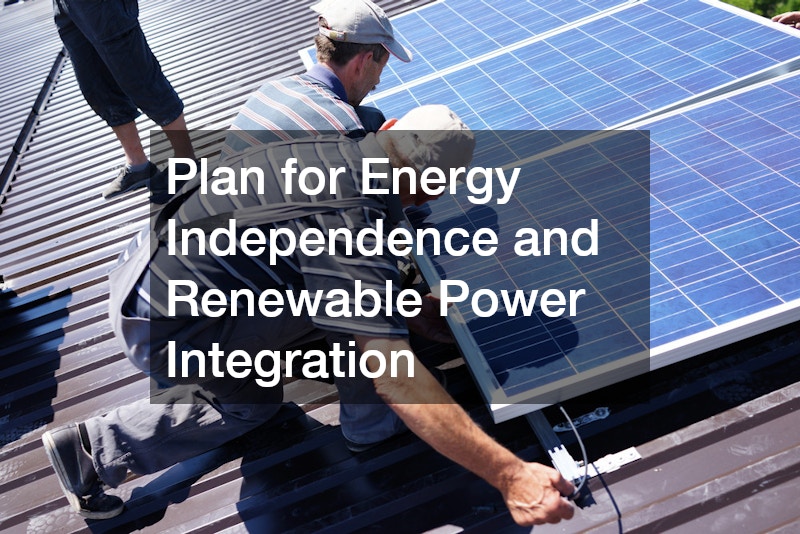
Renewable energy systems are central to a fully sustainable home. Solar photovoltaic panels, geothermal heating systems, and battery storage solutions can dramatically reduce dependence on fossil fuels. Even if full energy independence isn’t immediately possible, designing the home to be solar-ready ensures future upgrades are easier.
Outdoor spaces deserve attention as well. Solar-powered landscape lighting reduces electricity use while enhancing safety and curb appeal. Low-voltage systems further cut consumption without sacrificing performance.
Battery storage increases resilience during outages and allows homeowners to store excess renewable energy. Combined with energy monitoring apps, these systems empower residents to track and optimize usage daily.
Energy efficiency measures should accompany renewable systems:
- LED lighting throughout the home
- Energy Star-rated appliances
- Smart thermostats
- Zoned HVAC systems
Protect Your Home Against Climate Extremes Sustainably
Climate resilience is an essential part of sustainability because a home that cannot withstand extreme weather will require frequent repairs, replacements, and additional materials over time. Reinforce structural connections with hurricane straps, anchor bolts, and properly secured roof decking to improve resistance against high winds. Use impact-resistant windows and reinforced doors to reduce the risk of breakage during severe storms, which also helps maintain the integrity of the building envelope. Proper grading around the foundation, French drains, and strategically placed swales ensure water flows away from the home rather than pooling around it. In flood-prone regions, elevating critical systems such as electrical panels and HVAC equipment adds another layer of protection.
In storm-prone areas, incorporating reinforced storm shelters built with durable materials such as insulated concrete forms or reinforced masonry can provide life-saving protection without compromising environmental goals. These shelters can be designed with energy-efficient lighting, passive ventilation, and moisture control systems to prevent mold growth and ensure long-term usability. Integrating backup power options, like battery storage systems, keeps essential equipment running during outages. Designing for resilience reduces repair and replacement needs after extreme events, conserving both materials and financial resources while ensuring the home remains safe, functional, and sustainable for decades.
Additional resilience strategies include:
- Fire-resistant siding and roofing
- Elevated foundations in flood zones
- Backup power for critical systems
- Rain gardens to manage runoff
Maintain Long-Term Efficiency With Smart Waste and Drain Management
Sustainability continues long after construction ends. Proper maintenance keeps systems running efficiently and prevents waste. Composting organic waste reduces landfill contributions and enriches garden soil naturally.
Plumbing systems benefit from periodic hydro jetting to clear buildup and maintain optimal flow. This proactive maintenance approach prevents clogs, reduces emergency repairs, and extends pipe lifespan.
Design your home with easy maintenance access points. Accessible mechanical systems encourage regular upkeep, which preserves efficiency over time.
To manage household waste effectively:
- Set up dedicated recycling stations
- Choose refillable cleaning products
- Repair instead of replace when possible
- Donate usable goods rather than discarding them
Finish With Low-Toxicity Interiors and Responsible Cleanup
Interior materials directly impact indoor air quality because many conventional products release volatile organic compounds long after installation. Choose zero- or low-VOC paints, formaldehyde-free cabinetry, and sustainable flooring options such as cork, bamboo, or responsibly sourced hardwood to minimize off-gassing. Natural insulation materials like wool or cellulose can further reduce airborne irritants while improving thermal comfort. Pay attention to adhesives, sealants, and finishes as well, since these are often hidden sources of indoor pollutants. Incorporating proper ventilation systems, such as energy recovery ventilators (ERVs), helps circulate fresh air while maintaining energy efficiency, ensuring that clean materials are supported by healthy airflow.
After construction is complete, thorough construction cleaning using eco-friendly products removes fine dust, debris, and chemical residues before move-in. Sawdust, drywall particles, and leftover construction materials can linger in ducts and on surfaces, negatively affecting respiratory health if not properly addressed. Deep cleaning should include wiping down all surfaces, vacuuming with HEPA-filter equipment, and replacing HVAC filters prior to occupancy. Allowing the home to “flush out” with fresh air for several days can further improve air quality. A clean, non-toxic interior completes the sustainability cycle, ensuring the home supports both environmental responsibility and occupant well-being for years to come.
Additional interior sustainability steps include:
- Installing energy-efficient ceiling fans
- Using washable, durable fabrics
- Selecting furniture made from sustainable wood
- Incorporating indoor plants for natural air filtration
Building a fully sustainable home from top to bottom requires thoughtful planning, careful material selection, and a commitment to long-term efficiency. From site orientation and structural integrity to renewable energy systems and responsible maintenance, each decision plays a role in reducing environmental impact.
By approaching sustainability as a holistic process rather than a checklist of upgrades, homeowners can create spaces that are resilient, efficient, and healthy for generations to come. Every step you take toward smarter design and responsible construction brings you closer to a home that truly works in harmony with the world around it.