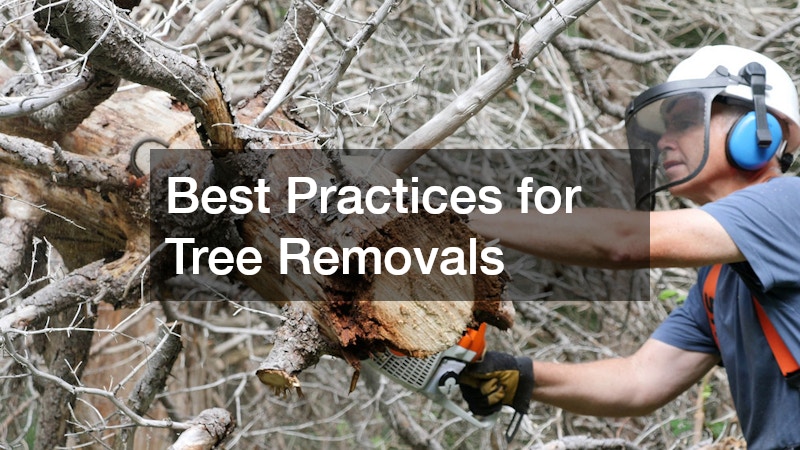
Tree removals can be essential for a variety of reasons, including safety, aesthetics, and land management. When a tree is dead or severely diseased, it poses significant risks to surrounding structures and inhabitants. This is particularly true in residential areas, where the threat of falling branches or an entire tree falling can cause severe property damage or personal injury.
Additionally, overgrown trees can interfere with power lines, which can lead to power outages and even fires. Hence, understanding the necessity of tree removal is a crucial first step in maintaining a safe and attractive property.
Aesthetics also play a significant role in the decision to remove a tree from a property. Overgrown or irregularly shaped trees can detract from the visual appeal of a landscape. In many cases, poorly placed or misshapen trees can block desirable views or limit the use of outdoor spaces. By selectively removing certain trees, homeowners have the opportunity to open up their properties, enhancing both the view and usability of the space. This means that tree removals can serve both utilitarian and aesthetic purposes.
Hiring Professional Tree Removal Services
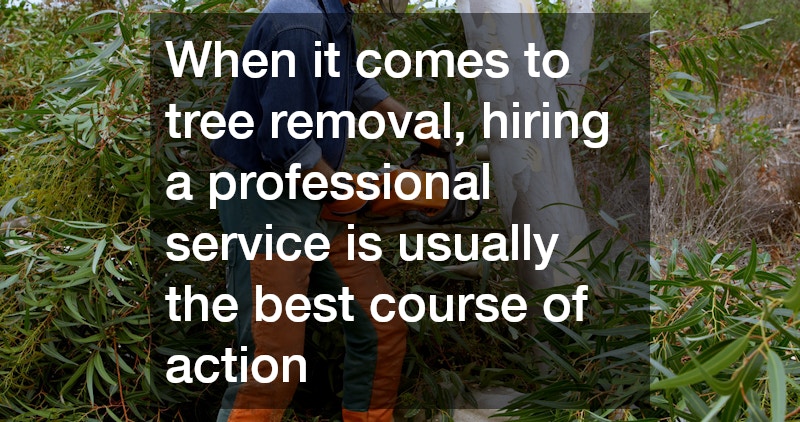
When it comes to tree removal, hiring a professional service is usually the best course of action. Professional tree removal companies have the expertise and equipment necessary to safely and effectively remove trees from any location. Unlike DIY methods, professional services ensure the job is done efficiently while minimizing the risk of injury and damage to surrounding property. These companies are well-versed in handling different types of trees and can provide a qualified assessment of which trees should be removed versus which can be preserved. By employing trained arborists, professional services offer homeowners peace of mind and high-quality results.
Cost is an important consideration when hiring professional tree removal services, but it is often balanced by the value of professional work. Experienced companies can provide clear estimates and discuss the most efficient method to remove a tree without compromising safety. They can also provide recommendations for tree replacements or suggest ways to enhance a property’s landscaping post-removal. All of these factors demonstrate why hiring professionals is a crucial step in tree removal practices. The investment in a professional company can prevent costly mistakes and ensure that the tree is removed safely and effectively.
Ensuring Environmental Considerations in Tree Removals
Tree removal is not just a matter of cutting down a tree; it often involves keen environmental consideration. Preserving the local ecosystem should be a priority when planning tree removal. Trees serve essential roles, such as providing habitats for wildlife, helping in carbon sequestration, and contributing to the overall biodiversity of an area. An important part of sustainable tree removal involves assessing the environmental impact and attempting to mitigate it where possible. For example, replacing removed trees with new plantings can help sustain the ecological balance.
Tree removals should consider the implications for local water cycles and soil stability. Trees play a role in maintaining groundwater levels and preventing soil erosion through their root systems. Removing too many trees can lead to severe environmental issues like land degradation or changes in local water availability. Working with experts who understand these environmental impacts can result in more responsible removal decisions. Overall, environmentally-conscious tree removal ensures that land development needs are balanced with the continued health of the natural environment.
Post-Removal Site Restoration
The tree removal process does not end with cutting down the tree itself; post-removal site restoration is a critical aspect of the practice. After the removal, the site must be evaluated and potentially modified to integrate naturally back into the landscape. Stump removal, soil replenishment, and reseeding might be necessary to restore the site aesthetically and functionally. Often, certain tree removal services offer these additional tasks as part of their contract, ensuring a complete transformation without extra hassle for the homeowner.
One major benefit of post-removal restoration is the prevention of erosion and pest infestations. If stumps are not removed thoroughly, they can become breeding grounds for insects and other pests. Additionally, removing roots helps prevent trip hazards and allows for fresh planting opportunities to arise. This aspect of the process ensures that after the tree is gone, the land remains healthy, viable, and ready for new growth or land development projects. Proper restoration can enhance the safety and aesthetics of a property significantly.
Post-removal site care also involves planning for replacement planting to maintain a property’s greenery. Property owners may opt for landscape design specialists to create a plan for new trees, shrubs, or native plantings to take the place of removed trees. This forward-thinking approach not only improves the property’s appearance but also ensures ongoing biodiversity and a thriving local ecosystem. Ultimately, post-removal site restoration rounds out the tree removal process, making it a thoughtful, complete endeavor that benefits both the property owner and the environment.