
Energy efficiency does not always require tearing down walls, replacing every appliance, or committing to a costly whole-house renovation. In many homes, the most meaningful improvements begin with smaller projects that address air leakage, wasted hot water, moisture, neglected maintenance, and outdated materials. These changes may seem modest on their own, but their benefits build over time.
A door that no longer lets in a cold draft reduces the workload on the heating system. Insulated pipes keep hot water warmer as it travels through the house. Clean exterior surfaces last longer and are easier to inspect for damage. Even adjusting when certain appliances operate can lower monthly utility costs without affecting comfort.
The key is to look at the house as a connected system. Heat, air, and moisture move between rooms, through building materials, and around mechanical equipment. A problem in one area can make other systems work harder. Wet insulation, for example, does not perform as effectively as dry insulation. An aging window can allow conditioned air to escape while also creating cold surfaces that encourage condensation.
Homeowners can make steady progress by identifying the simplest sources of waste first. Begin with projects that are inexpensive, easy to complete, and likely to produce immediate comfort improvements. Larger upgrades can follow once the most obvious problems have been corrected.
Sealing Air Leaks Before They Raise Monthly Costs

Air leakage is one of the most common causes of unnecessary heating and cooling expenses. Small gaps around windows, doors, plumbing penetrations, attic hatches, and electrical outlets allow indoor air to escape. Outdoor air then enters to replace it, forcing the HVAC system to run longer.
Start with a slow inspection on a windy day. Move around the home and feel for drafts near exterior walls. A thin piece of tissue can help reveal air movement around window frames and door trim. Pay particular attention to rooms that are noticeably warmer or colder than the rest of the house.
Many minor leaks can be corrected with basic materials. Apply exterior-grade caulk around stationary gaps and weatherstripping around moving components. Door sweeps can reduce leakage beneath exterior doors, while foam gaskets behind outlet covers may help on particularly drafty walls. Before sealing openings near furnaces, water heaters, or other combustion equipment, confirm that the work will not interfere with required ventilation.
Window repairs should be evaluated carefully. Loose locks, worn seals, and small frame gaps may be inexpensive to correct. However, replacement windows may make more sense when frames are deteriorated, glass units have failed, or several openings are difficult to operate. New windows can improve comfort and reduce drafts, but they provide the greatest benefit when installation includes proper flashing, insulation, and air sealing.
Larger projects may expose problems that are not visible from inside the room. A remodeling company can help assess damaged framing, missing insulation, or poorly sealed openings when walls are already being altered. Coordinating air sealing with planned renovations is often more efficient than reopening finished surfaces later.
Improving Hot Water Performance With Targeted Changes
Water heating can consume a significant amount of household energy, particularly in homes with long plumbing runs or frequent hot water use. Fortunately, several improvements require little disruption.
Begin by checking the temperature setting. Many households keep water hotter than necessary, increasing standby losses and raising the risk of scalding. A moderate setting that still meets the household’s needs can reduce energy use. Because control markings are not always precise, test the temperature at a faucet with a thermometer after making an adjustment.
Next, examine accessible hot water pipes. Insulating the first several feet leaving the tank can reduce heat loss, especially in basements, garages, and crawl spaces. Pre-slit pipe insulation is relatively easy to install, but it should be kept a safe distance from exhaust vents and other hot components.
Daily habits also matter. Shorter showers, low-flow fixtures, full dishwasher loads, and cold-water laundry cycles can lower both water and energy consumption. A dripping hot water faucet should be repaired promptly because even a slow leak wastes heated water around the clock.
Unexpected changes often signal an equipment problem. Rising utility bills, inconsistent temperatures, unusual sounds, rusty water, or a burner that runs excessively may indicate that water heater repairs are needed. Sediment buildup, damaged heating elements, failing thermostats, and worn valves can all reduce performance. Addressing a repair early may restore efficiency and delay replacement.
Water quality can also influence equipment life. Hard water deposits may collect inside heaters, fixtures, and appliances. Properly maintained water treatment systems can reduce scale where local water conditions justify their use. Homeowners should avoid assuming that every treatment device saves energy, however. The equipment must be correctly selected, sized, and maintained to provide a practical benefit.
Preventing Moisture Damage Before Efficiency Declines
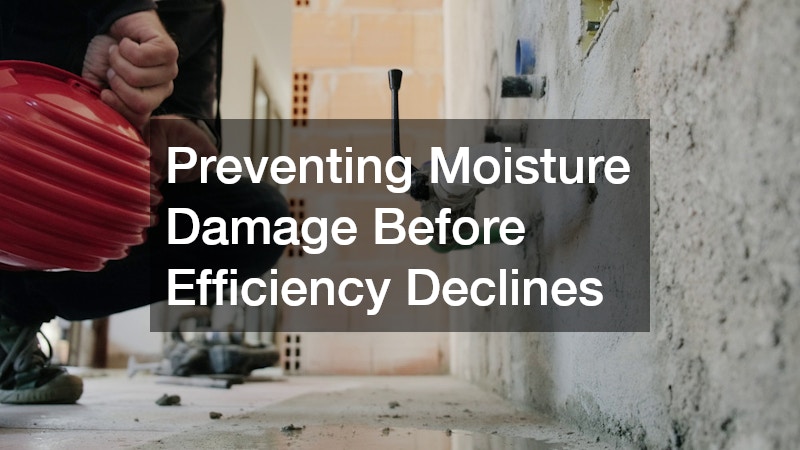
Moisture problems often begin quietly. A small roof leak dampens attic insulation. A slow plumbing leak wets the wall behind a cabinet. A poorly drained crawl space remains humid for months. The house may still appear normal, yet heating and cooling performance gradually worsens.
Wet building materials can lose insulating value, support biological growth, and deteriorate structural components. High indoor humidity can also make summer conditions feel warmer, causing occupants to lower the thermostat. During winter, condensation may form on cold surfaces and contribute to additional damage.
A practical moisture inspection includes several areas:
- Look beneath sinks and around toilets for staining, soft materials, or musty odors.
- Check the attic after heavy rain for damp roof decking or compressed insulation.
- Inspect basement walls for white mineral deposits, peeling finishes, and recurring wet spots.
- Watch for condensation around ducts, pipes, windows, and air-conditioning equipment.
- Confirm that gutters, downspouts, and soil grading direct water away from the foundation.
A homeowner might first notice trouble when a rarely used guest room develops a stale smell. Moving a dresser could reveal discoloration near the baseboard, leading to the discovery of a slow leak inside the wall. At that stage, drying the visible surface is not enough. Damaged materials may need to be removed, the leak must be corrected, and the cavity should be fully dried.
Prompt water damage restoration work helps limit the spread of moisture and protects insulation, framing, and finished surfaces. Delays can turn a contained repair into a much larger project.
Drainage problems deserve similar attention. Repeated backups, gurgling fixtures, slow drains throughout the house, and unexplained wet areas outdoors can point to a damaged waste line. Sewer repair may be necessary when cleaning the line does not address cracks, root intrusion, collapse, or improper slope. Although this type of work is not a simple DIY project, recognizing warning signs early can prevent extensive interior damage and wasted cleanup efforts.
Cleaning Exterior Surfaces Without Causing New Damage
Exterior maintenance supports energy efficiency indirectly by protecting the parts of the home that resist weather. Siding, roofing, masonry, vents, and mechanical equipment must remain in good condition to manage heat, moisture, and airflow effectively.
Dirt and organic growth can hide cracks, loose joints, damaged seals, and deteriorated finishes. Cleaning surfaces makes inspection easier and may extend the life of coatings and materials. The safest method depends on what is being cleaned.
A garden hose, soft brush, and mild detergent are often sufficient for painted siding and trim. Roof surfaces require more caution because aggressive scrubbing or high pressure can damage shingles. Outdoor HVAC units should be cleared of leaves and debris, but delicate fins should not be struck with a strong stream of water.
Pressure cleaning can be useful on durable surfaces such as certain concrete walks, patios, and masonry areas. It should not be treated as a universal cleaning method. Excessive pressure can force water behind siding, strip paint, scar wood, loosen mortar, and damage seals around windows and doors.
Before beginning, test a small, inconspicuous area. Use the lowest effective pressure, keep the nozzle moving, and aim the spray away from seams and openings. Wear eye protection and stable footwear. Ladders and high-pressure equipment are a dangerous combination, so elevated work is usually better handled from the ground with appropriate tools or by a trained professional.
Once surfaces are clean, inspect them rather than considering the task finished. Look for failed caulk, open joints, damaged vents, and areas where water collects. Cleaning provides the best value when it leads to timely repairs.
Managing Outdoor Comfort Without Wasting Energy

Outdoor living upgrades can add enjoyment to a property, but they can also create ongoing energy demands. Lighting, pumps, heaters, and entertainment equipment should be selected and operated with long-term use in mind.
Start with lighting. Fixtures controlled by timers, motion sensors, or photocells reduce the chance that lights remain on unnecessarily. Directing light toward walkways and activity areas is more efficient than flooding the entire yard. Solar fixtures may be suitable for decorative use, although their performance varies with shade, weather, and battery quality.
Landscaping can also influence household energy use. Deciduous trees may provide summer shade while allowing winter sunlight to reach the house after leaves fall. Shrubs can help block wind, but they should not restrict ventilation around outdoor mechanical equipment. Maintaining clearance around the air-conditioning condenser allows heat to disperse properly.
Energy planning is especially important before hot tub installation. The tub should be placed on a stable base near appropriate electrical service and in a location that does not expose it unnecessarily to wind. Long distances between the house and the tub may also discourage the use of a fitted cover, leading to greater heat loss.
A high-quality insulated cover is one of the most important efficiency features. It should fit tightly and remain in good condition. Lowering the temperature during extended periods of nonuse, maintaining clean filters, and following a consistent maintenance schedule can reduce operating strain. Windbreaks may help in exposed locations, provided they allow access for service and do not create moisture problems around nearby structures.
Planning Major Improvements Around Long-Term Performance
Some homes reach a point where small repairs no longer address the underlying problems. Insulation may be missing throughout an addition. Old wiring and plumbing may complicate energy upgrades. Previous renovations may have covered damage without correcting it. In these situations, planning becomes more important than completing any single project.
Begin by defining the problem rather than choosing a product. A cold room does not automatically need a larger heater. It may have air leaks, inadequate insulation, poor duct delivery, or moisture-damaged materials. An uncomfortable second floor may be affected by attic conditions rather than the windows alone.
Before committing to major work, collect evidence. Review utility bills, document recurring problems, take photographs, and note seasonal patterns. An energy assessment can help identify where the home loses heat or gains unwanted heat. Infrared imaging and blower-door testing may reveal issues that are difficult to detect through visual inspection alone.
General contractors become valuable when a project involves several trades or when structural, mechanical, and finish work must happen in a specific sequence. For example, correcting a damaged exterior wall may require framing repairs, insulation, electrical adjustments, weatherproofing, and new interior finishes. Coordination reduces the chance that one trade will undo another’s work.
Home restoration requires an especially careful balance. Older houses often contain durable materials and distinctive features worth preserving, but they may also have hidden air paths, outdated systems, and moisture vulnerabilities. Efficiency improvements should respect how the building was designed to manage airflow and drying. Sealing an old assembly without understanding its moisture behavior can create new problems.
A phased plan is often more realistic than attempting everything at once. Structural and moisture issues should come first. Air sealing and insulation can follow, with mechanical equipment sized after the building envelope improves. Cosmetic finishes belong near the end so completed work is not damaged by later repairs.
Building Seasonal Habits That Protect Previous Work
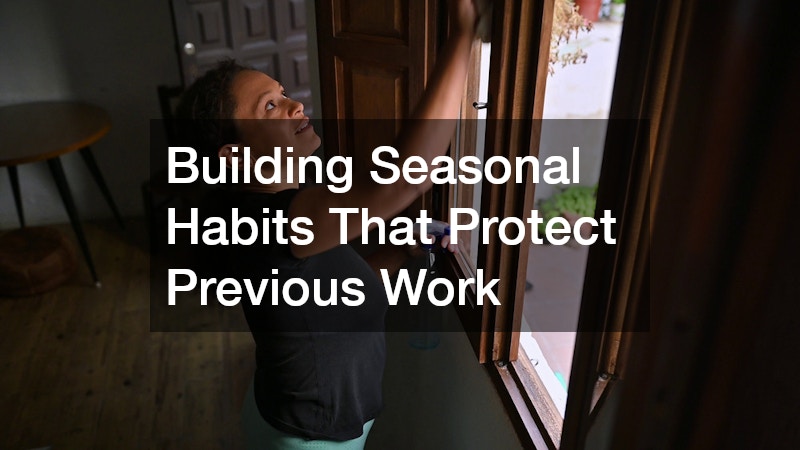
Energy-saving upgrades are not permanent solutions unless they are maintained. Caulk separates, filters clog, insulation shifts, and mechanical parts wear down. A few short inspections each season can preserve the benefits of earlier projects.
In spring, check exterior drainage after heavy rain. Clear gutters, confirm that downspouts remain connected, and inspect the foundation for new moisture. Clean around cooling equipment before hot weather arrives.
Summer is a good time to observe how the house performs under peak cooling demand. Notice rooms that remain uncomfortable, doors that are difficult to close because of humidity, and ducts that collect condensation. Use window coverings strategically during the hottest parts of the day.
During fall, inspect weatherstripping and exterior seals before temperatures drop. Service heating equipment as recommended, test safety devices, and confirm that attic insulation has not been disturbed by pests or storage.
Winter offers opportunities for draft detection. Cold weather makes air leaks easier to feel, while snow patterns on the roof may reveal uneven heat loss. A section that melts faster than surrounding areas can suggest missing insulation or uncontrolled warm air entering the attic.
Monthly utility bills provide another useful record. Rather than focusing on a single high bill, compare similar seasons and consider changes in weather, occupancy, and rates. A gradual increase in energy use may indicate declining equipment performance or a maintenance issue that deserves attention.
Turning Small Projects Into Year-Round Efficiency
A more efficient home is usually created through a series of informed decisions rather than one dramatic renovation. Sealing a draft, insulating a pipe, correcting a leak, and maintaining outdoor equipment may seem unrelated, but each action reduces waste and protects the systems around it.
The best starting point is the problem that is easiest to confirm. A visible gap, recurring damp spot, unusually hot room, or rising energy bill provides a clear reason to investigate. Complete simple work carefully, monitor the result, and avoid covering symptoms without identifying their cause.
DIY projects are most successful when homeowners also recognize their limits. Tasks involving electrical service, structural damage, combustion equipment, major plumbing failures, or extensive moisture should be evaluated by qualified professionals. Getting help at the right stage can protect both the property and the value of the work already completed.
With consistent maintenance and thoughtful planning, small upgrades can improve comfort in every season while making future renovations more effective. The goal is not perfection. It is steady progress toward a home that uses energy wisely, manages moisture safely, and performs reliably throughout the year.