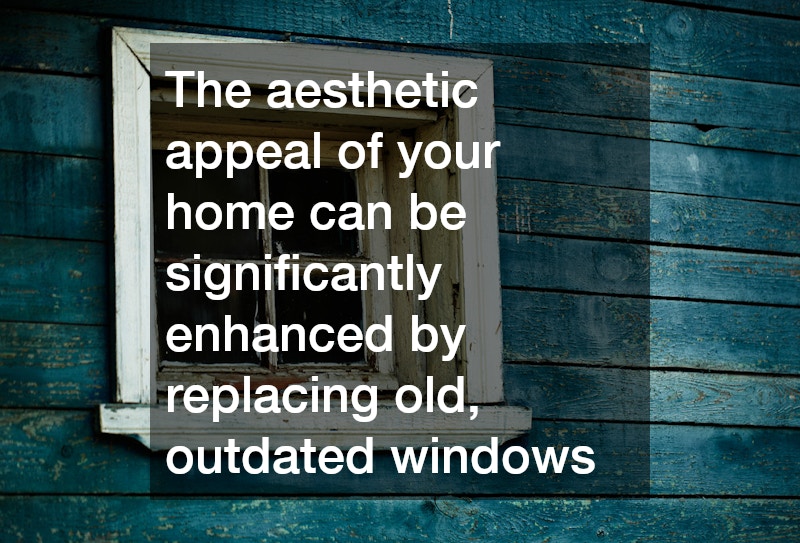
The aesthetic appeal of your home can be significantly enhanced by replacing old, outdated windows. Windows that show signs of aging may have scratches, warping, or discoloration that can detract from the overall appearance of a house. Over time, weather and constant exposure to sunlight can cause substantial wear and tear on window frames and glass. Replacing these windows with modern alternatives can reinvigorate your home’s exterior look, providing a fresh and updated vibe. Aesthetic upgrades through window replacement not only increase your home’s curb appeal but may also increase its market value.
Moreover, new window designs offer various styles and materials that can complement any architectural theme. Whether your home has a traditional or contemporary look, modern window replacement options allow you to maintain or enhance the style with ease.
This versatility ensures that a window replacement isn’t just a functional choice, but a pivotal aesthetic decision. Designers often pair new window installations with complementary exterior upgrades, thus elevating the overall visual impact of a home renovation project. Therefore, investing in window replacement can lead to a more satisfying and cohesive home environment.
Another factor to consider is energy efficiency, as older windows are often less effective at insulating your home. Inefficient windows can lead to increased energy bills as heating and cooling systems work harder to maintain a comfortable indoor environment. Newer windows are often designed with energy-saving technologies, such as double glazing, which can significantly reduce heat loss. Investing in window replacement can, therefore, lead to substantive savings on utility expenses in the long run. Beyond aesthetics, this functional benefit underscores the long-term value of upgrading your windows.
When Maintenance and Repairs Become Too Frequent and Costly
Homeowners may find themselves constantly attending to window repairs if their existing installations have exceeded their longevity. Frequent window maintenance, such as fixing leaks, replacing seals, or repainting frames, can quickly become burdensome in terms of both time and cost. At a certain point, these repeated fixes can become economically imprudent. Window replacement can provide a more sustainable solution by minimizing ongoing maintenance needs. Importantly, this decision allows homeowners to redirect their attention and finances to other areas that may require improvement or upkeep.
Consider the recurring signs of failure, such as drafts, condensation between panes, or difficulty in operation, which may suggest that replacement is the optimal course of action. These issues, despite regular repairs, may persist if the fundamental structure of the windows has deteriorated. Transitioning to newer models not only resolves these persistent problems but provides assurance of improved performance. Curtailing the cycle of repair could save homeowners from spending money on quick fixes that don’t address the root of the problems. Hence, a more comprehensive solution through window replacement can alleviate the ongoing hassle of constant repairs.
The decision to replace rather than repair can also be influenced by the opportunity to upgrade to more durable and advanced materials. Technology in window manufacturing has significantly improved the lifespan and performance of newer products. Materials like vinyl, fiberglass, or aluminum offer high resistance to weather and corrosion, reducing the likelihood of future maintenance. In the overall assessment, this represents not just a replacement but a clear upgrade in terms of durability and ease of upkeep. Consequently, homeowners are increasingly turning to window replacement as a long-lasting investment, rather than continuously servicing outdated or inferior frameworks.
Improving Energy Efficiency and Reducing Utility Bills
Energy efficiency is no longer just an environmental concern; it is an integral aspect of residential cost management. Older windows can be a significant source of energy loss, increasing the load on heating and cooling systems. Replacing old windows with new, energy-efficient ones can effectively reduce energy consumption by better insulating the home. Most modern windows are built with thermal efficiency in mind, using materials such as low-emissivity glass to minimize heat transfer. This advancement helps maintain a stable indoor temperature, which can result in noticeable reductions in utility bills.
Many homeowners report substantial savings on energy costs within the first year of window replacement. The precise amount of savings can vary depending on several factors, including the size of the home, climatic conditions, and the specific type of windows chosen. The reduction in energy expenditure helps to offset the initial investment cost of the windows, making them an economically considerate option in the long run. Furthermore, by reducing energy consumption, homeowners also contribute positively to environmental sustainability, reinforcing the dual benefit of replacing windows.
Incentives and rebates are often available for those who opt for energy-efficient window replacements. These incentives, offered by both governmental and utility companies, aim to encourage homeowners to adopt sustainable practices. Access to these financial benefits can ease the upfront costs associated with the purchase and installation of new windows. Consequently, the combination of immediate financial incentives and ongoing cost savings makes window replacement an attractive investment. It is an efficient approach to modernizing your home while simultaneously conserving resources and reducing living expenses.