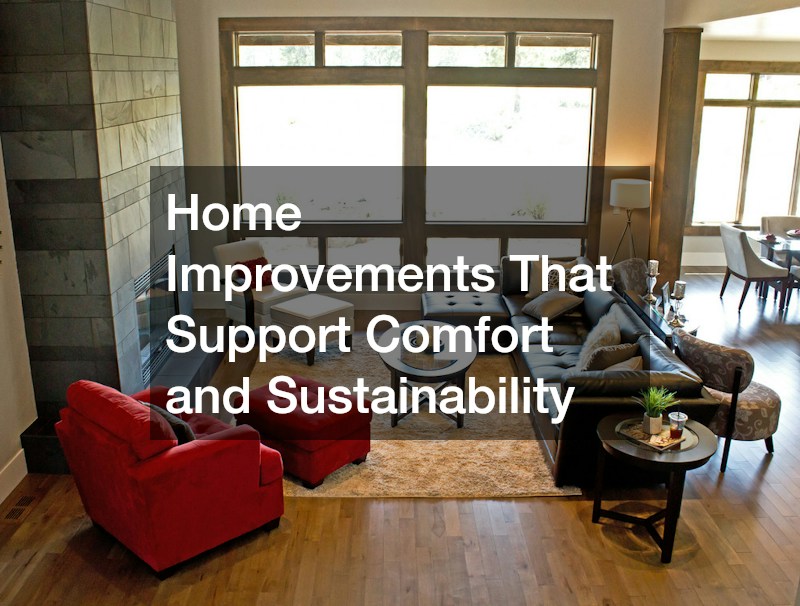
A comfortable home and a sustainable home do not have to be separate goals. Many improvements that make a property more pleasant to live in can also reduce unnecessary energy use, minimize waste, protect the structure, or extend the useful life of existing systems. The key is to consider how an upgrade will perform over time rather than focusing only on its immediate appearance or convenience.
Sustainability also involves making durable choices. Replacing something only when necessary, selecting materials that can withstand local conditions, protecting the surrounding property, and maintaining major systems can reduce the need for repeated work. With thoughtful planning, homeowners can create a property that is comfortable, resilient, efficient, and practical for years to come.
Improve Heating Efficiency Before the Coldest Months
Heating can have a major effect on household comfort and energy consumption, particularly during periods of consistently cold weather. Before replacing equipment or making substantial changes, homeowners should determine whether the current system is operating properly and whether the house is losing heat through other areas. Poor insulation, air leaks, outdated controls, and blocked vents can all affect performance.
Homeowners considering improvements can consult heating contractors to evaluate the existing system and identify opportunities for better performance. Professional input can help distinguish between a maintenance issue and a situation where equipment has reached the end of its useful life. It can also help homeowners consider the home’s size, layout, insulation, and heating requirements together.
Before the heating season, homeowners can:
- Replace or clean filters according to equipment recommendations.
- Check that vents and registers are not blocked by furniture.
- Look for noticeable drafts around windows and doors.
- Review unusually high energy use from previous seasons.
- Schedule maintenance before the system is under heavy demand.
Improving the home’s overall thermal performance can make the heating system’s job easier. Sealing unnecessary air leaks and addressing insulation concerns can complement equipment improvements while helping maintain more consistent indoor temperatures.
Replace an Aging Roof With Long-Term Performance in Mind
A roof affects much more than the appearance of a house. It protects insulation, framing, interior spaces, and other building components from rain, wind, snow, and sunlight. When a roof begins to deteriorate, small problems can eventually affect other parts of the property, making timely attention an important part of sustainable home maintenance.
When a roof has reached the point where repairs are no longer practical, roofing replacement should be approached as a long-term investment. Homeowners can evaluate materials based on durability, expected service life, weather resistance, maintenance requirements, and compatibility with the property’s design rather than choosing solely according to initial cost.
When evaluating a roofing project, consider:
- The roof’s current age and repair history.
- Signs of recurring leaks or water damage.
- Local weather and exposure conditions.
- The durability of available roofing materials.
- Proper ventilation and moisture management.
- How the new roof will work with existing insulation.
Replacing a failing roof can also provide an opportunity to address problems underneath it. During planning, homeowners can ask whether insulation, ventilation, flashing, or drainage issues should be addressed at the same time. Combining related improvements can reduce the likelihood of having to disturb the roof again soon after the project is completed.
Protect Soil and Landscaping During Property Improvements
Sustainable home improvement extends beyond the structure itself. Construction, grading, heavy rainfall, and changes to landscaping can disturb soil and allow sediment to move into areas where it can create drainage or environmental problems. Protecting the property during improvement projects can help preserve established landscaping and reduce unnecessary cleanup.
The appropriate erosion control products depend on the property’s conditions, the extent of disturbed soil, drainage patterns, and the type of project being completed. Homeowners should consider erosion protection during the planning stage rather than waiting until rainfall exposes a problem.
Property owners can reduce soil disturbance by:
- Limiting construction activity to necessary areas.
- Protecting established vegetation where practical.
- Directing runoff away from exposed soil.
- Covering or stabilizing disturbed areas appropriately.
- Monitoring slopes after periods of heavy rainfall.
- Maintaining drainage paths throughout the project.
Good erosion management also protects other parts of the property. Excess sediment can move toward drains, walkways, neighboring properties, or landscaped areas. A thoughtful project plan considers where water naturally travels across the property and incorporates appropriate measures to keep disturbed soil from becoming a recurring issue.
Upgrade Plumbing Systems to Reduce Waste and Problems
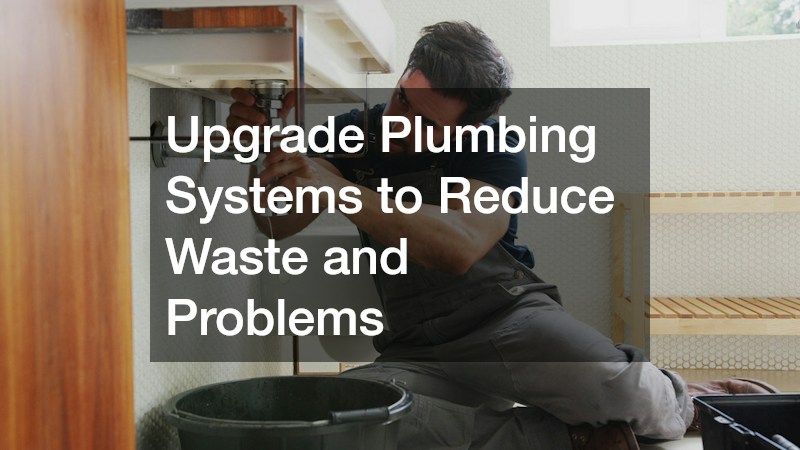
Water efficiency is another important part of sustainable home management. A dripping faucet may seem minor, but recurring leaks, inefficient fixtures, and poorly functioning plumbing components can waste water while creating moisture problems. Addressing these issues can improve household efficiency and help prevent more significant damage.
Homeowners can use plumbing services when they need professional assistance diagnosing leaks, drainage problems, pressure concerns, or aging components. A professional evaluation can be particularly useful in older properties where several plumbing elements may be approaching the end of their useful service life.
A practical plumbing review can include:
- Checking visible pipes and connections for leaks.
- Inspecting faucets and toilets for ongoing water loss.
- Watching for unexplained changes in water pressure.
- Addressing slow drains before they become blocked.
- Considering efficient fixtures when replacements are necessary.
- Learning where the main water shutoff is located.
Sustainable plumbing is not simply about installing new products. Maintaining existing systems, repairing problems promptly, and replacing components when they are genuinely worn out can reduce waste. Homeowners should also consider how plumbing improvements fit into future renovations so that compatible upgrades can be incorporated efficiently.
Improve Indoor Climate Control Through Smarter System Choices
Heating is only one part of maintaining a comfortable indoor environment. Cooling, humidity, ventilation, and air circulation also influence how a home feels throughout the year. A system that runs constantly but struggles to maintain comfortable temperatures may be using substantial energy without providing the desired results.
HVAC companies can assess equipment performance and help homeowners understand whether maintenance, repairs, controls, or system changes may address recurring comfort issues. Homeowners should pay attention to patterns rather than assuming every temperature problem requires new equipment.
Useful areas to evaluate include:
- Rooms that remain consistently warmer or cooler than others.
- Unusual changes in system operating time.
- Airflow from individual vents.
- Filter condition and replacement frequency.
- Thermostat settings and placement.
- Insulation and air leakage around the building envelope.
A sustainable approach considers the entire system. Improving insulation, sealing air leaks, maintaining equipment, and using appropriate controls can complement mechanical upgrades. Homeowners should also consider how household changes, such as a finished attic or newly enclosed room, may affect heating and cooling requirements.
Add Practical Protection Against Severe Weather Conditions
Weather protection can contribute to both comfort and long-term property resilience. Windows and exterior openings can be vulnerable during severe storms, while wind-driven rain can expose weaknesses that are less apparent during ordinary weather. Preparing these areas before severe conditions arrive can reduce the likelihood of avoidable damage.
Accordion shutters can provide a practical way to protect certain openings when properly selected and installed for the property. Homeowners should consider the dimensions of each opening, how frequently the protection will be used, how it will be stored or operated, and what local requirements apply.
When improving storm protection, homeowners should:
- Identify vulnerable windows and doors.
- Inspect existing protective systems for wear.
- Keep operating areas accessible.
- Check hardware and attachment points periodically.
- Understand how protective systems should be deployed.
- Consider storm preparation as part of regular maintenance.
Weather protection can also support indoor comfort by limiting exposure during severe conditions. The broader goal is to prepare the property for the conditions it may reasonably encounter rather than making emergency changes after a storm is already approaching.
Replace Inefficient Cooling Equipment With Modern Alternatives
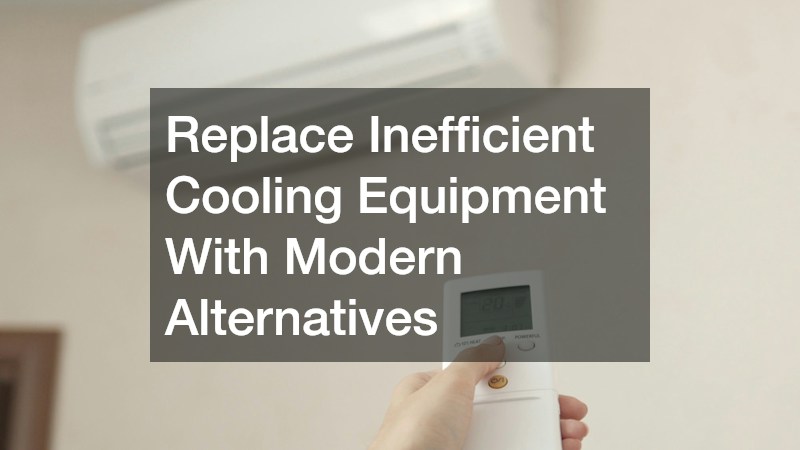
Cooling equipment can become less practical as it ages. Frequent repairs, inconsistent temperatures, unusual operating patterns, or declining performance may indicate that a system deserves closer evaluation. However, replacing equipment should be based on the condition and requirements of the home rather than age alone.
When air conditioner replacement becomes appropriate, homeowners should look beyond the purchase price. System capacity, home size, insulation, ductwork, controls, installation quality, and expected operating patterns all influence how well new equipment performs.
Before selecting a replacement, homeowners can review:
- The existing system’s repair and maintenance history.
- Current household cooling requirements.
- Areas of the home with recurring comfort problems.
- Whether ductwork needs attention.
- Available efficiency ratings and operating costs.
- Proper sizing for the property.
An efficient system can perform poorly if it is improperly sized or installed. Homeowners should therefore consider the entire cooling system rather than treating the equipment as an isolated purchase. Addressing related issues during the same project can help the new system operate more effectively and provide more consistent comfort.
Choose Durable Materials for Sustainable Exterior Improvements
Material selection can have a lasting effect on the performance and maintenance requirements of a home. Homeowners often focus heavily on color and appearance, but durability, moisture resistance, maintenance needs, and compatibility with the property’s environment can be equally important.
Composite wall panels may be appropriate for certain applications where homeowners want a combination of appearance and practical performance. The right material depends on the project, building design, exposure conditions, installation requirements, and the characteristics the homeowner wants from the finished surface.
When comparing exterior materials, consider:
- Expected service life.
- Resistance to moisture and changing weather.
- Cleaning and maintenance requirements.
- Compatibility with the existing structure.
- Replacement requirements if individual components are damaged.
- How the material fits the home’s overall design.
Sustainable material choices do not necessarily mean choosing the newest product available. A durable material that performs well in the home’s environment may reduce the frequency of future replacement. Homeowners should also consider the entire life cycle of a project, including installation, maintenance, repairs, and eventual replacement.
Manage Trees Responsibly When They Affect Property Safety
Trees contribute shade, habitat, visual appeal, and other benefits, so sustainable landscaping should begin with preserving healthy trees when practical. At the same time, a tree that is seriously damaged, unstable, diseased, or positioned in a way that creates a significant property risk may require professional attention.
Tree removals should therefore be approached as a property-management decision rather than simply a landscaping preference. Homeowners can have concerning trees evaluated and consider whether pruning, monitoring, or removal is the appropriate response.
When evaluating trees near the home, look for:
- Dead or broken branches.
- Significant trunk damage.
- Unusual leaning or instability.
- Roots affecting structures or important infrastructure.
- Branches interfering with roofs or utility areas.
- Signs of serious disease or deterioration.
After a tree is removed, homeowners can think about how the space will be used. Replanting an appropriate species, expanding native landscaping, improving drainage, or creating a shaded outdoor area may provide long-term benefits.
Select Building Products Based on Durability and Efficiency

Every improvement ultimately depends on the materials used to complete it. Whether a homeowner is replacing a roof, improving insulation, renovating an exterior, or updating an interior space, material choices can affect durability, maintenance, energy performance, and the frequency of future repairs.
Building materials should be selected according to the conditions they will face and the purpose they need to serve. A product that performs well in one environment may not be appropriate for another.
A thoughtful material-selection process can include:
- Comparing expected durability rather than price alone.
- Reviewing maintenance requirements before purchasing.
- Considering whether materials are appropriate for local conditions.
- Evaluating energy-performance characteristics where relevant.
- Coordinating materials with existing construction.
- Asking about repair or replacement requirements.
Sustainability also means avoiding unnecessary replacement. Choosing materials that can remain functional for a long period can reduce future consumption and disruption. Homeowners should therefore think beyond how an improvement looks when first installed and consider how it will perform five, ten, or more years into the future.
Comfort and sustainability can work together when homeowners approach improvements as long-term investments rather than isolated projects. A well-maintained heating system, durable roof, efficient plumbing, appropriate climate control, and practical weather protection can all contribute to a home that performs more reliably. At the same time, responsible landscaping and thoughtful material selection can reduce unnecessary maintenance and replacement.
Sustainable home improvement does not require changing everything at once. Addressing problems as they arise, maintaining systems properly, selecting durable solutions, and planning upgrades around long-term performance can gradually create a home that is more comfortable, resilient, and efficient without sacrificing practicality.