In this article, we will explore the essential aspects of
Video Source
/@42.6628862,-88.5457315,17z/data=!3m1!4b1!4m6!3m5!1s0x8805f2326b688e6f:0xf2dcd3838aa2833f!8m2!3d42.6628862!4d-88.5457315!16s%2Fg%2F1tdr3wyj!5m1!1e1?entry=ttu&g_ep=EgoyMDI2MDIwMS4wIKXMDSoASAFQAw%3D%3D’>slab sawing, a crucial technique in concrete cutting services. Understanding these fundamentals is vital for professionals and enthusiasts alike, as it involves precision and expertise. Slab sawing offers a versatile method to cut concrete, allowing professionals to achieve precise cuts that other methods might struggle to match. This technique is frequently used in construction projects, from residential building renovations to large-scale commercial developments. Recognizing the significance of slab sawing can enhance the skill set of anyone involved in the field, ensuring high-quality outcomes and client satisfaction.
What is Slab Sawing?
Understanding the Basics of Slab Sawing
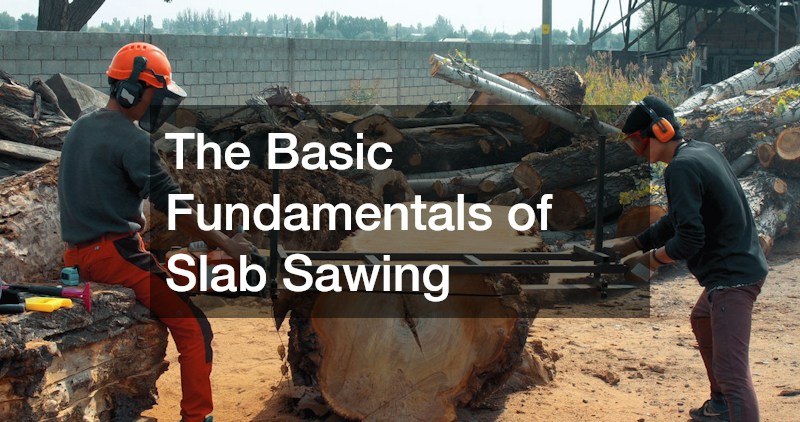
Slab sawing, also known as flat sawing, is the process of cutting horizontal flat surfaces such as floors, bridge decks, and pavements. It uses a circular diamond blade mounted on a walk-behind machine, allowing for quick and precise cuts. Primarily, slab sawing serves the purpose of cutting through concrete, asphalt, and even reinforced structures with ease. This technique is pivotal in construction and masonry work because it facilitates modifications, demolitions, and repairs with minimal structural impact. Understanding the basic principles of slab sawing helps operators to select the right tools and methods for their specific project needs.
The efficiency of slab sawing lies in its ability to execute clean cuts on a variety of surfaces, which is vital for the longevity and stability of buildings and constructions. Through the application of steady pressure and motion, the saw can effectively manage even the toughest of materials. The use of diamond blades in slab sawing enhances the quality of cuts, providing sharpness and precision that is unmatched by traditional blades. With advancements in technology, slab sawing machinery now incorporates features that increase mobility and ease of use, extending its application across different settings. Learning the discipline of slab sawing embodies not just the act of cutting but the mastery of balancing machine capabilities with site-specific challenges.
While the concept of slab sawing seems straightforward, it requires a thorough grasp of construction principles and the workings of complex machinery. Operators must be trained to handle different environmental factors such as dust control and noise reduction, which are critical in populated construction sites. Safety is a cornerstone in slab sawing, and adherence to safety protocols cannot be overstated as it ensures the protection of workers and the environment. Professionals in the industry recognize the necessity of slab sawing as not merely a task but an integral part of the building process that supports structural integrity and future modifications. Enthralling as it might be, the technical finesse required in slab sawing distinguishes adept technicians from the rest.
How Does Slab Sawing Work?
The Process of Slab Sawing
The process of slab sawing involves specialized machinery that includes walk-behind saws with diamond blades for cutting through tough materials. With the sawing machine positioned, operators must strategically plan each cut by marking the surface to ensure accuracy and alignment. After preparing the worksite, operators adjust the blade depth and speed to match the thickness and density of the material being cut. The actual cutting involves maintaining a steady pace and firm grip on the machine, ensuring the cut follows the marked lines precisely. This methodological approach minimizes the likelihood of errors and promotes smooth cutting operations.
An essential component of the slab sawing process is safety, as it incorporates measures to protect the operator and the surrounding environment from potential hazards. It is important to wear appropriate personal protective equipment (PPE) such as goggles, earmuffs, and gloves. Due to the dust generated during sawing, modern machines are often equipped with water systems to suppress dust and keep the site clean. Additionally, considering site conditions such as visibility, traffic, and weather can significantly impact the operation’s effectiveness. Therefore, thorough preparation and understanding of the site specifics are prerequisites for seamless slab sawing activities.
To ensure precision and efficiency, continual maintenance of the machinery is vital. This includes routine checks of the saw blade sharpness, engine performance, and the overall mechanical operation of the sawing machine. Malfunctions or inadequate maintenance of equipment could result in subpar cuts or even accidents. As such, regular training and updates on the latest slab sawing technology and methods are advised for professionals. These practices not only enhance the longevity and performance of the equipment but also uphold the standard of worksmanship that clients have come to expect in the industry.
What are the Benefits of Slab Sawing?
Advantages of Using Slab Sawing Techniques
One distinctive advantage of slab sawing is its ability to provide clean, straight cuts with high precision, which is crucial in maintaining structural integrity. The technique is versatile enough to be used in a wide range of applications, from minor residential repairs to major commercial construction projects. Additionally, the speed at which slab sawing can be completed allows for efficient work schedules, minimizing downtime and associated costs. Incorporating slab sawing early in the construction phase can mitigate potential issues, leading to a smoother, more efficient project lifecycle. The precision of slab sawing also aids in reducing material waste, further enhancing cost-effectiveness.
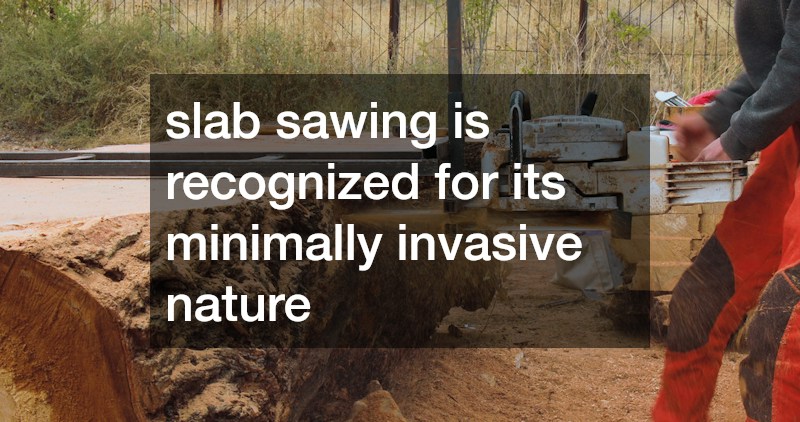
Furthermore, slab sawing is recognized for its minimally invasive nature, meaning it can perform extensive work without significant disruption to the existing structure. This makes it an attractive option for renovation projects, where preserving structural components might be essential. The lowered vibration levels during cutting operations safeguard adjacent structures, mitigating the risk of secondary damages. As a consequence, slab sawing is often the preferred choice for cutting operations within sensitive environments like hospitals, schools, or residential areas. Contributing to a quieter and cleaner site, slab sawing supports environmentally conscious efforts in construction.
Besides the practical benefits, slab sawing also opens up opportunities for innovative architectural designs. Its ability to create precise openings and pathways transforms how spaces are utilized, with confidence in the safety and reliability of the cuts. Given that it accommodates both new constructions and retrofitting projects, slab sawing contributes significantly to the adaptability and sustainability of modern constructions. With sustainable building practices becoming a priority globally, the efficiency and minimal waste production of slab sawing align with environmentally conscious goals. This relevance not only underlines its ongoing value in construction but also sets the groundwork for future advancements in cutting technologies.
The article concludes by summarizing the main points discussed, emphasizing the importance of harnessing slab sawing techniques effectively to achieve precision in concrete cutting. Slab sawing remains an indispensable technique in the field, ensuring that projects are carried out with the highest standard of quality and efficiency. By understanding the fundamentals of slab sawing, professionals can significantly enhance their work, promoting safer and more effective construction practices. The integration of advanced technology and ongoing training in slab sawing furnishes operators with the tools needed to tackle diverse challenges in construction. Ultimately, slab sawing embodies the precision and expertise necessary for the advancement of contemporary building practices.