
Your home is quietly bleeding money, and the culprit isn’t your streaming subscriptions or your daily coffee habit. It’s the infrastructure hidden inside your walls, above your ceiling, and beneath your floors. Aging electrical systems, inefficient climate control, deteriorating roofing, and outdated windows all work together to inflate your monthly costs while simultaneously degrading your property value.
Most homeowners don’t connect the dots between a flickering light switch and a $400 utility bill. But the relationship is direct. When one system in your home is underperforming, it forces every surrounding system to compensate. Your HVAC works harder because your windows leak conditioned air. Your electrical panel strains because your appliances are pulling uneven loads. Your roof absorbs years of weather damage while expensive solar technology sits on the sidelines waiting for a stable surface to land on.
The Hidden Drain: How Aged Infrastructure Quietly Erodes Your Wealth

There’s a psychological trap built into homeownership. If something isn’t visibly broken, it feels fine. A circuit breaker that trips occasionally seems like a minor nuisance. A slow drip under a sink seems manageable. A window that lets in a little draft just means grabbing a thicker blanket. None of these things feels urgent until they become emergencies, and by then the cost of resolving them has compounded dramatically.
This is what infrastructure specialists call the cascade effect. When your electrical system is overtaxed, it delivers inconsistent voltage to your appliances, causing motors and compressors to work harder than they were designed to. That extra strain shortens the lifespan of refrigerators, washers, HVAC units, and water heaters. Each of those systems failing ahead of schedule represents thousands of dollars in replacement costs that a simple electrical upgrade could have prevented.
The mindset shift required here is significant but straightforward. Home maintenance isn’t a category of expense. It’s a capital allocation decision. Every dollar you spend on maintaining and modernizing your infrastructure:
- Reduces your monthly operating costs through improved efficiency
- Extends the useful life of expensive mechanical systems
- Increases your property’s resale value and appraisal standing
- Reduces the likelihood of catastrophic failures that cost far more to address reactively
Once you see your home as a system of interconnected investments rather than a collection of aging components, the decision to upgrade becomes financially obvious.
Powering the Future: Modernizing Your Electrical Foundation
The electrical system installed in your home twenty, thirty, or forty years ago was engineered for a completely different era of energy consumption. Homes built before the 1990s were designed around a handful of major appliances and modest lighting demands. Today’s homes run smart thermostats, EV chargers, high-draw kitchen appliances, home office equipment, and entertainment systems simultaneously.
The warning signs of an overtaxed system are easy to miss because they seem like minor inconveniences:
- Lights that flicker or dim when an appliance kicks on
- Outlet covers that feel warm or hot to the touch
- Breakers that trip regularly under normal loads
- A faint burning smell near the electrical panel
- Two-prong outlets throughout the home with no grounding
These aren’t quirks. They’re distress signals. Modern appliances require clean, stable power delivery to function efficiently and safely. Old wiring with degraded insulation, aluminum conductors, or undersized gauges simply cannot meet that standard. The risk isn’t just financial — it’s structural. Electrical fires cause billions of dollars in property damage annually, and the majority originate in aging wiring hidden inside walls. Having a local electrician perform a comprehensive safety audit is the most direct way to understand the full scope of your exposure before something fails.
Beyond safety, there’s a hard practical ceiling to what aging electrical infrastructure can support. Homes built with older, lower-capacity service panels were sized for the loads of their era. Today, a single Level 2 EV charger requires significant dedicated capacity. Add a heat pump, an induction cooktop, and a whole-home battery backup system, and you’ve already exceeded what most older panels were designed to handle.
An electrical panel upgrade service doesn’t just resolve a capacity problem. It future-proofs your home for the next two decades of energy demand. Upgrading to a modern, high-capacity load center provides the stable foundation that every other green energy improvement depends on:
- Solar panel systems require a capable panel to manage bi-directional power flow
- EV chargers need dedicated high-amperage circuits
- Heat pumps demand consistent, clean voltage to operate at rated efficiency
- Home battery storage systems require dedicated integration with the main panel
Without this upgrade, every downstream improvement you attempt is constrained by the same bottleneck. It’s the prerequisite step that unlocks everything else.
Thermal Efficiency: Reducing the Load on Your Grid
Your HVAC system is one of the most expensive mechanical assets in your home. When it’s fighting a compromised building envelope, it runs longer, consumes more energy, and wears out faster. The building envelope — your walls, attic insulation, and windows — is the first line of defense against thermal transfer. If it’s compromised, all the HVAC efficiency in the world doesn’t matter.
Windows are among the most significant sources of thermal loss in older homes. Single-pane glass conducts heat and cold directly, creating temperature differentials that force your system to constantly compensate. A dual pane window replacement project addresses this directly by introducing an insulating gas layer between two panes of glass, dramatically reducing conductive heat transfer in both summer and winter. Homeowners who complete this upgrade consistently report noticeable reductions in monthly utility costs within the first billing cycle.
Beyond utility savings, high-performance windows offer additional financial benefits:
- Reduced UV transmission protects flooring, furniture, and artwork from fading
- Lower interior humidity levels in the summer months
- Improved acoustic insulation, particularly relevant near traffic corridors
- Increased appraisal value with documented energy efficiency improvements
Not all cooling solutions require electricity. Passive cooling strategies reduce the thermal burden on your home before conditioned air is ever needed, which translates directly into lower runtime hours for your HVAC system and reduced wear on its components.
Strategic exterior shading is one of the most cost-effective passive cooling tools available. When direct sunlight hits your exterior walls and windows during peak hours, it radiates heat inward, raising ambient indoor temperatures significantly. Consulting with a local awning service to install properly positioned retractable or fixed shading structures can produce a meaningful reduction in solar heat gain on south and west-facing exposures. The result is a measurably cooler interior without a single watt of additional electricity consumed.
Climate Control: Optimizing HVAC Performance and Longevity
An air conditioning system that hasn’t been professionally maintained in several years is almost certainly operating below its rated efficiency. The degradation is gradual and invisible until it shows up on your utility bill or in a repair invoice. Dust accumulation on evaporator and condenser coils forces heat exchange to work harder. Worn capacitors cause motors to pull excessive amperage on startup. Low refrigerant levels reduce cooling capacity while spiking energy consumption.
Scheduling regular AC tune ups maintains your system at manufacturer-specified performance levels, which has compounding financial benefits over time:
- Prevents compressor failures that stem from overheating
- Maintains efficiency ratings that directly affect your monthly operating cost
- Extends the useful equipment life by several years on average
- Satisfies manufacturer warranty requirements that often mandate annual service
- Identifies minor issues before they cascade into major mechanical failures
A well-maintained system running at its rated efficiency consumes less electricity than a neglected one, even if the underlying hardware is identical.
There’s a point in every HVAC system’s life where continued repair investment becomes financially irrational. The industry-standard framework for this decision is the Rule of 5,000: multiply the age of the unit in years by the estimated repair cost in dollars. If the result exceeds 5,000, replacement typically offers better long-term value than repair.
Modern refrigerant regulations and high-efficiency mandates make this decision more nuanced than it used to be, which is why persistent mechanical issues require professional evaluation from qualified air conditioning repair services rather than a DIY approach. Misdiagnosed repairs on aging systems with outdated refrigerant or failing compressors can rack up high costs without ever resolving the root problem.
Sustainable Energy: Transforming Your Roof into a Profit Center
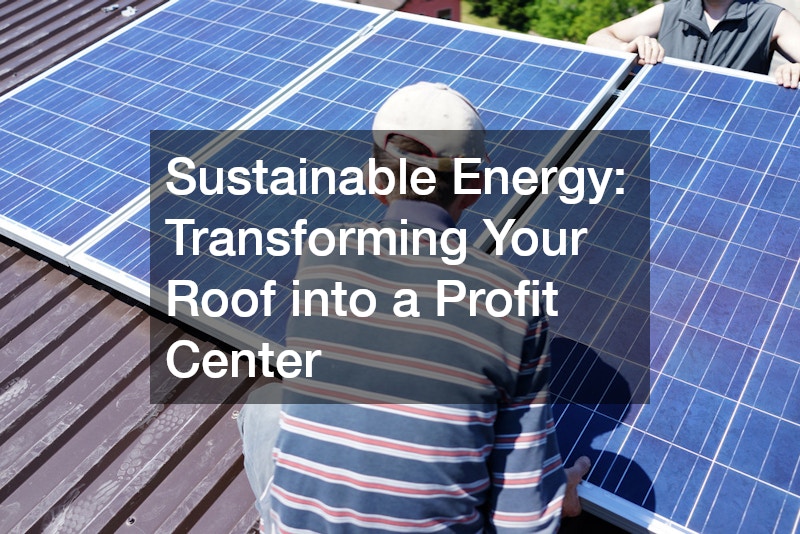
Renewable energy installations represent some of the highest-ROI home improvements available in the current economic environment. But they all share one non-negotiable prerequisite: a structurally sound roof. Installing solar hardware on a surface that will require replacement in the near term creates a logistical and financial nightmare. Removing and reinstalling a solar array to replace the roof beneath it can add substantial cost to what should have been a routine roofing project.
Before committing to any energy installation, hiring a certified roofing contractor to assess the condition of your deck, underlayment, and shingles is an essential first step. What to look for in that assessment:
- Shingle age relative to rated lifespan
- Evidence of deck rot, sagging, or moisture infiltration
- Flashing integrity around penetrations and valleys
- Remaining structural load capacity for panel hardware and mounting systems
A roof that earns a clean bill of health becomes a long-term revenue platform rather than a liability.
The economics of residential solar have shifted dramatically in the past decade. What was once a luxury purchase reserved for early adopters is now a mainstream financial strategy with calculable payback periods. Once a solar panel array reaches full cost recovery, every kilowatt-hour generated is essentially free energy.
Net metering programs in most states allow homeowners to sell excess generation back to the grid during peak demand hours, effectively turning your roof into an income-producing asset during the sunniest parts of the day. Pair that with a modernized electrical panel and a home battery system, and you’ve created a degree of energy independence that insulates you from utility rate hikes that have climbed steadily for decades.
Liquid Gold: Preventing Costly Water and HVAC Catastrophes
Water damage is among the most destructive and expensive categories of home repair. What makes it particularly dangerous is how quietly it begins. A slow drip from a corroded fitting doesn’t announce itself. It saturates subfloor material over weeks and months, creating ideal conditions for structural rot and mold growth. By the time it’s visible, the remediation cost can be staggering, depending on the extent of the damage.
One of the most financially consequential situations a homeowner can encounter is a water heater leaking at the base or along the supply connections. A failing water heater doesn’t just mean cold showers. A slow leak left unaddressed can destroy flooring, drywall, and framing in the surrounding area. The moment you identify moisture accumulation, rust staining, or pooling water around your unit, immediate professional evaluation is warranted. The cost of a water heater replacement is a fraction of the structural repair bill that follows if the situation is ignored.
The most efficient approach to home infrastructure management isn’t reactive. It’s relational. Having a single trusted professional relationship for your heating, cooling, and air quality needs means faster response times, consistent service history, and diagnostic continuity across seasonal maintenance calls.
Building an ongoing relationship with a local HVAC company provides access to priority scheduling during peak demand periods — exactly when system failures are most likely to occur and most expensive to address. During extreme heat events, emergency HVAC service calls often carry premium pricing and extended wait times. Established customers of reputable companies consistently receive faster service and more transparent pricing than one-time callers.
The Roadmap to an Efficient, Self-Sustaining Home

Every upgrade discussed in this article follows the same basic financial logic: spend proactively on efficiency and safety, and your monthly operating costs drop, your equipment lasts longer, and your exposure to catastrophic failure shrinks. Ignore the warning signs, and the cascade effect does what it always does — it turns a modest fix into a major emergency.
The best starting point for most homeowners is a professional energy audit. This single assessment maps your home’s inefficiencies, prioritizes upgrades by ROI, and gives you a clear roadmap for where your investment dollars will produce the highest return. From there, the path to an efficient, self-sustaining home becomes a series of deliberate, financially sound decisions rather than a cycle of expensive surprises.